Luminaries
☽
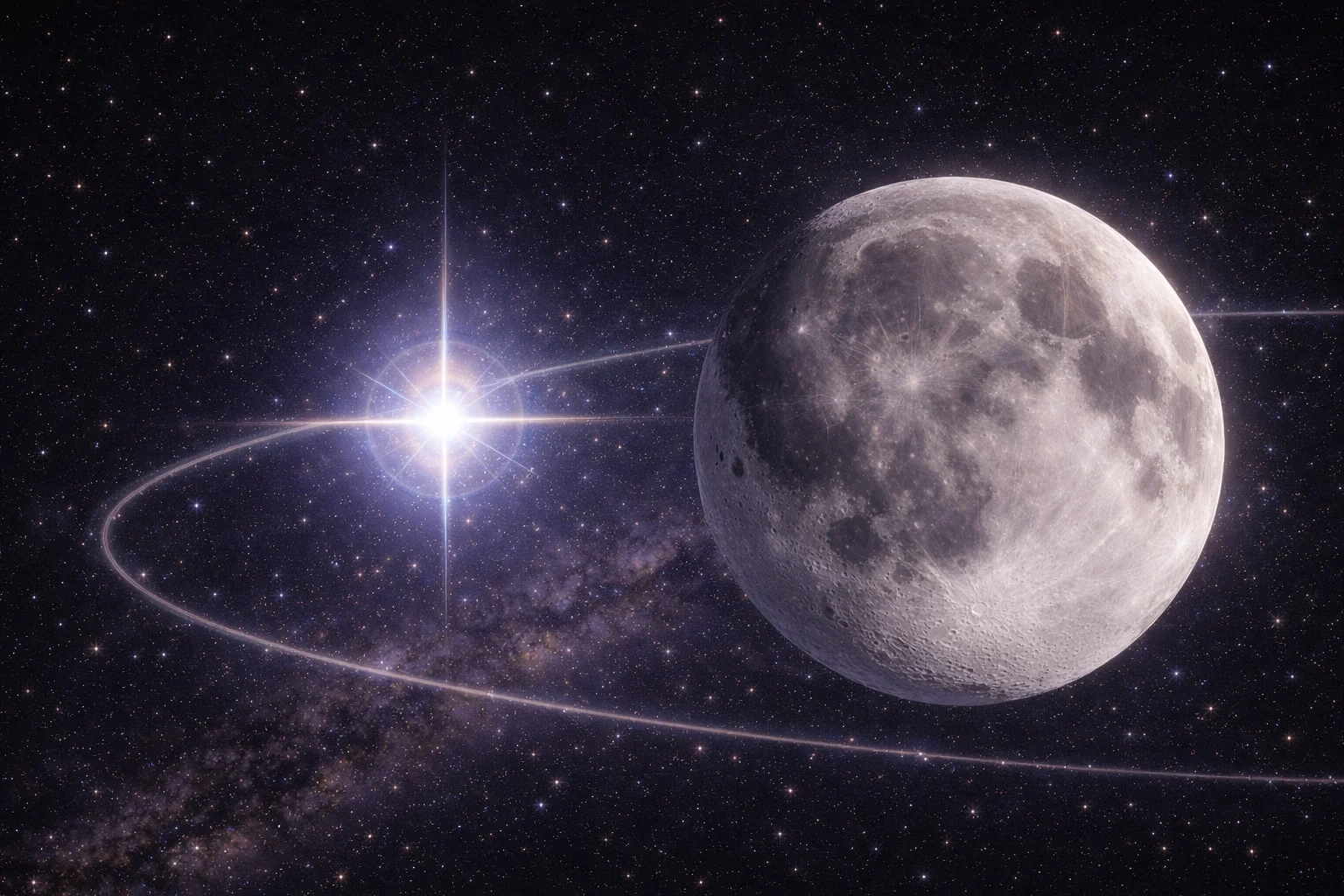
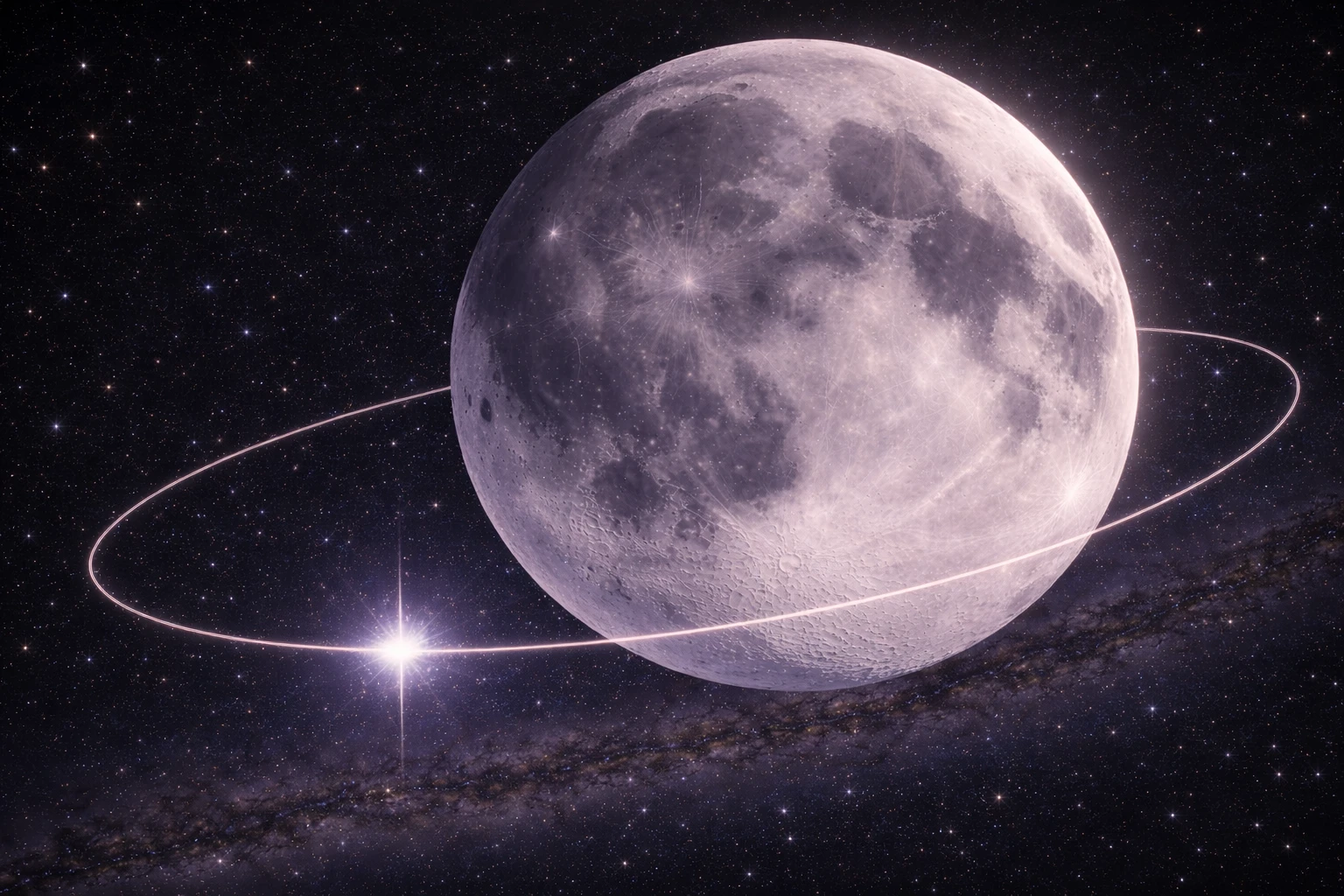
Moon
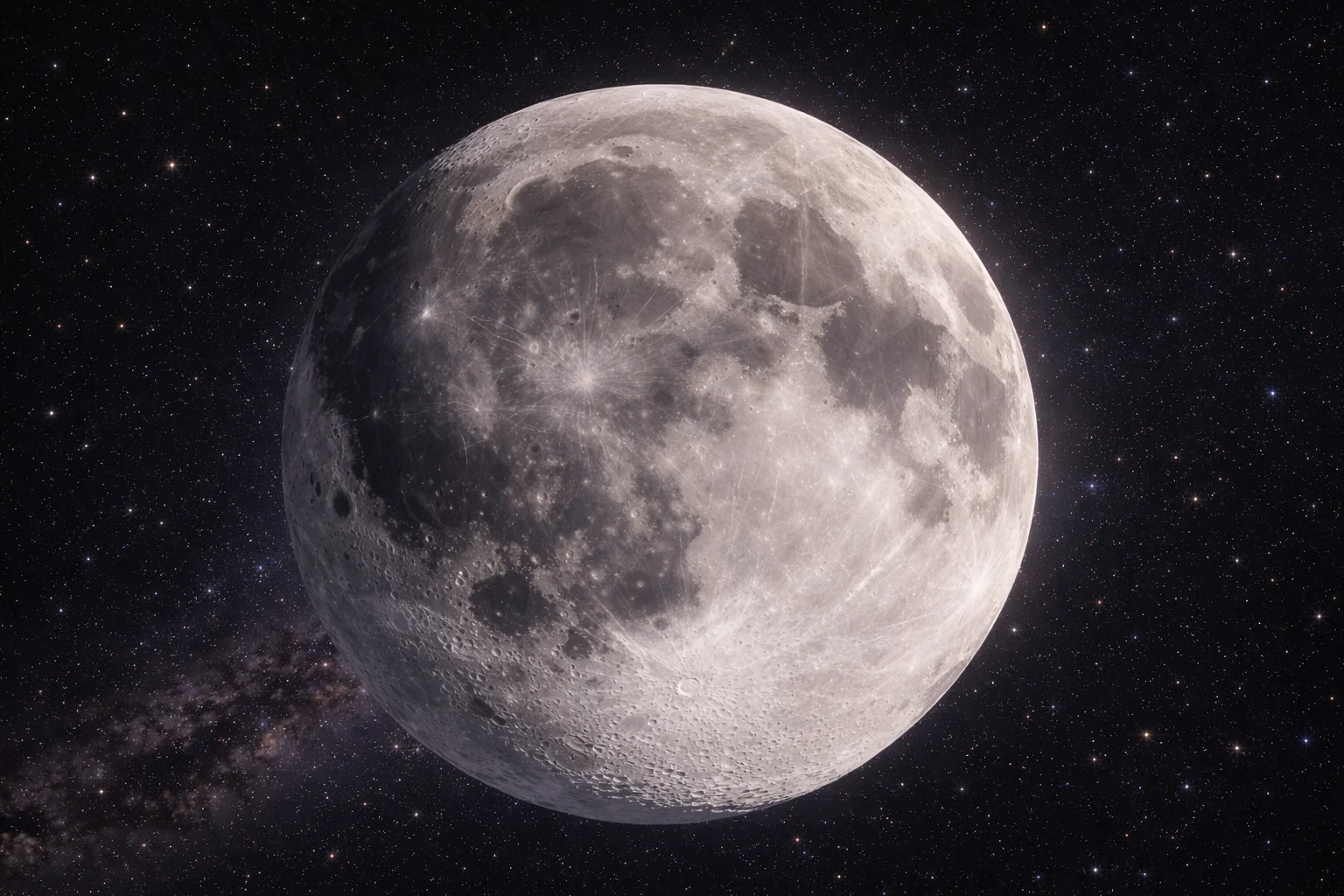
The Moon in astrology represents your emotional nature, instincts, and deepest needs. Learn what the Moon means in your birth chart, transits, and relationships.
Last updated:
Live Celestial Data
Moon
Always Direct
Never retrograde
Moon
Domicile
At Home-5Strength+5
+5
What is the Moon?
12 min read
How you feel — your emotional needs, instinctive reactions, and the self that existed before you had words for it.
The Moon is your emotional fingerprint. While the Sun represents who you are becoming, the Moon reveals how you experience being alive — your moods, your comfort zones, your automatic reactions when nobody is watching. It is the part of you that existed before you had words for it, before you learned to perform or adapt. The Moon is the self you return to when you are exhausted, sick, or alone. It is who you are in the middle of the night, who you become when defenses drop, what you need to feel genuinely safe and held. Understanding your Moon is understanding the foundation everything else rests upon.
If the Sun is the conscious I that says this is who I choose to be, the Moon is the unconscious I that whispers this is what I need. The Sun develops through effort and intention; the Moon simply is. You do not choose your emotional responses any more than you choose your heartbeat. The Moon represents the body's wisdom, the gut reaction, the feeling that arrives before thought. It governs memory — not just what you remember but how memory lives in you, how early experiences continue to shape present reactions. The Moon is the past that lives in the present, the child within the adult, the instinctive self beneath the constructed persona.
The Archetype of the Mother
In every culture, the Moon carries maternal symbolism. It is the Great Mother, the nurturing principle, the source of sustenance and emotional holding. In Greek mythology, Selene drove her silver chariot across the night sky, governing the rhythms of the sea and of women's bodies. Artemis, the lunar huntress, presided over transitions — birth, coming of age, death — all threshold experiences where we need to feel held through change. In Egyptian tradition, Thoth in his lunar aspect governed cycles, measurement, and the hidden knowledge that comes through dreams. The Norse Mani was the moon personified, regulating time itself.
These myths encode psychological truth: the Moon represents our relationship with being nurtured and with nurturing others. Your Moon sign and its condition reveal what mothering felt like to you — not just what your mother did, but how you experienced being cared for in your most vulnerable state. A well-supported Moon suggests early care that met your needs, creating a basic trust in life. A challenged Moon may indicate early care that was inconsistent, overwhelming, or absent, leaving patterns of emotional insecurity that ripple through adult life. This is not destiny — it is starting material. Understanding your Moon means understanding what you needed and whether you got it, so you can consciously provide what was missing.
The Psychological Principle
In Jungian psychology, the Moon corresponds to the anima or animus — the inner feminine present in everyone regardless of gender. It is the receptive principle, the capacity to feel and be moved, to respond rather than initiate. The Moon governs everything that happens below the threshold of conscious awareness: habits, reflexes, emotional conditioning, the body's autonomous rhythms. This is why Moon work is so difficult — you cannot simply decide to change your Moon any more than you can decide to change your digestion. Yet the Moon can evolve through consistent care, through creating new experiences that gradually update old programming.
The healthy Moon is neither flooded nor numb. It allows emotions to flow through without being overwhelmed, receives nurturance without becoming dependent, and provides care without losing itself. People with well-integrated Moons have a certain emotional groundedness — they can feel deeply without drowning, can be moved without being destabilized. They know what they need and can ask for it. The unhealthy Moon either cuts off from feeling entirely, creating a defended shell that cannot receive nourishment, or remains in an infantile state of endless need that no amount of care can fill. Much Moon work involves finding the middle: being vulnerable enough to feel, contained enough to hold.
What the Moon Governs
The Moon governs emotional life in all its dimensions — not just feelings but the entire apparatus of feeling. It rules the body's responsiveness, the nervous system's capacity to calm or activate, the digestive system's ability to process nourishment. In medical astrology, the Moon rules the stomach, breasts, womb, and all fluids of the body — tears, saliva, digestive juices, the fluids of reproduction. Lunar types tend toward round, soft physiques, and may be particularly sensitive to food, easily affected by what they consume physically and emotionally.
The Moon governs habits and routines — the patterns we fall into without thinking, the things we do when we are on autopilot. Your Moon sign shapes your instinctive responses: a Sagittarius Moon instinctively seeks freedom and adventure when stressed; a Capricorn Moon instinctively works harder and retreats into structure. Understanding your Moon means understanding your default settings, the programs that run when you are not paying attention. These patterns are not fixed but they are deeply grooved, requiring consistent effort to modify.
The Moon also governs memory, particularly emotional memory and the felt sense of the past. It rules nostalgia, comfort objects, the way certain smells or songs transport you back in time. The Moon is your relationship with your personal history — how you carry it, whether it nourishes or burdens you. Family, ancestry, roots, home, the sense of where you come from — all lunar territory. People with strong Moons often have powerful connections to their lineage and feel the past living in them.
The Moon Through the Signs
Your Moon sign describes your emotional style and needs. Fire Moons — Aries, Leo, Sagittarius — need emotional excitement, validation, and the freedom to express feelings dramatically. They process emotions through action, movement, and sometimes drama. Sitting with difficult feelings is hard for fire Moons; they would rather do something about it. They need relationships where their emotional intensity is welcomed, not dampened.
Earth Moons — Taurus, Virgo, Capricorn — need emotional stability, tangible comfort, and practical demonstration of care. They process emotions slowly and prefer to feel their way through things concretely. Abstract emotional discussions may frustrate them; they would rather see evidence. A Taurus Moon needs physical comfort and sensory pleasure to feel safe. A Capricorn Moon needs structure, achievement, and the sense that emotions serve some useful purpose.
Air Moons — Gemini, Libra, Aquarius — need emotional communication, intellectual understanding of feelings, and space to process through talking or thinking. They may be more comfortable discussing emotions than drowning in them. This is not emotional avoidance but a different processing style. A Gemini Moon needs verbal exchange and mental stimulation to feel emotionally alive. An Aquarius Moon needs emotional freedom and the sense that their feelings are not ordinary.
Water Moons — Cancer, Scorpio, Pisces — live close to the emotional depths and need environments that honor feeling. They process through immersion, tears, creative expression, and deep connection. They absorb others emotions and need time alone to discharge what they have taken on. A Cancer Moon needs home, family, and the sense of belonging. A Scorpio Moon needs emotional intensity and transformation to feel truly alive. A Pisces Moon needs spiritual connection and escape from ordinary emotional reality.
The Lunar Cycle
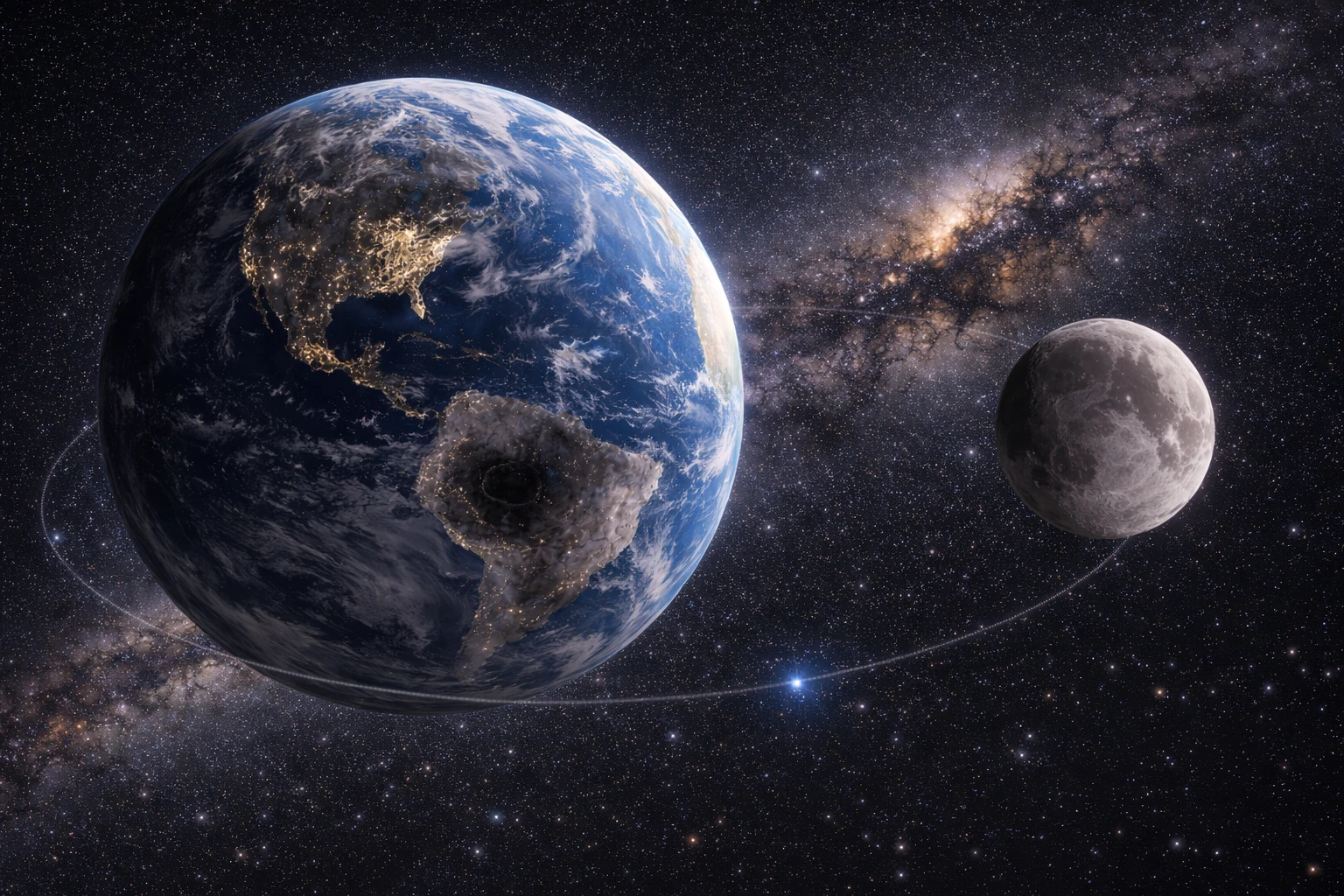
Unlike any other celestial body, the Moon visibly changes shape in the sky, waxing from invisible New Moon to brilliant Full Moon and waning back again over roughly 29.5 days. This cycle has governed human time-keeping since prehistory and continues to influence tides, agriculture, and, many claim, mood and behavior. The Moon moves through all twelve zodiac signs every 28 days, spending about 2.5 days in each sign, making it the fastest-moving body in astrology.
The New Moon — when Sun and Moon conjoin — represents beginnings, seed moments, intention-setting. The sky is dark; energy turns inward. It is the optimal time to start new projects, make wishes, plant seeds literal or metaphorical. The Full Moon — when Sun and Moon oppose — represents culmination, completion, and release. Everything is illuminated; what was hidden becomes visible. Emotions peak; things come to a head. It is a time for harvest and letting go, not for beginning.
Your relationship with lunar phases is personal. Some people thrive at Full Moons and struggle at New Moons; others are the reverse. Tracking the Moon through your chart reveals your individual rhythm. When the transiting Moon crosses your natal Sun, you have a monthly moment of solar-lunar integration. When it crosses your natal Moon, you have your Lunar Return — a monthly emotional reset.
The Moon and the Body
The Moon governs the body's receptive and nurturing functions. In traditional systems, it rules the breasts, stomach, womb, all mucous membranes, and the body's fluid balance. Lunar types — those with strong Moon placements or Cancer emphasis — often have round faces, soft bodies, and high sensitivity to their environment. They may be profoundly affected by food, needing to eat emotionally as well as nutritionally, and may retain water around lunar phases.
The Moon also rules the nervous system's parasympathetic branch — the rest and digest mode that allows recovery, healing, and integration. People with stressed Moons often struggle to shift into this mode, remaining stuck in sympathetic activation even when the threat has passed. Learning to regulate the nervous system, to feel safe enough to rest, is deep Moon work.
Sleep is lunar territory. The Moon governs our nightly surrender to unconsciousness, the dream state where we process emotions and consolidate memory. People with challenged Moons often have sleep difficulties — trouble falling asleep, staying asleep, or waking rested. The quality of your sleep reflects the quality of your relationship with your Moon. Learning to sleep well is learning to trust that you will be held through vulnerability.
The Moon and Mother
In astrological tradition, the Moon represents the mother, and this remains psychologically meaningful even when literally incomplete. The Moon shows not just your biological mother but your experience of the mothering function — the early care that shaped your sense of whether the world is safe, whether needs get met, whether vulnerability is welcomed or punished. A Moon in warm aspect to benefic planets often indicates a felt sense of being loved and supported early in life. A Moon in hard aspect to malefic planets may indicate early experiences of emotional pain, neglect, or intrusion that created patterns of self-protection.
The Moon also shows how you mother yourself and others. The care you received becomes the template for the care you give — both to those you nurture and to your own inner child. People often parent their children the way they were parented until they consciously choose otherwise. Understanding your Moon means understanding what you received and what you needed, so you can break patterns that no longer serve.
Even if your mother was problematic or absent, the mothering archetype lives within you. Your Moon shows your relationship with nurturance itself — whether you can receive care, whether you can provide it, whether you believe your needs are valid. Developing your Moon means developing your capacity to mother yourself, to know what you need and to provide it, to create inner safety rather than waiting for someone else to create it for you.
Working with Your Moon
The Moon cannot be developed the way the Sun can — you cannot simply decide to feel differently. But you can create conditions that allow your Moon to heal and express more freely. First, study your Moon honestly. What do you actually need to feel safe, comfortable, and emotionally alive? Not what you think you should need — what do you actually need? Many people have never asked this question seriously.
Then, notice your patterns. What do you do when stressed, tired, or overwhelmed? These automatic behaviors reveal your Moon. Some patterns serve you; others do not. The goal is not to eliminate patterns but to become conscious of them, so they become choices rather than compulsions.
Create nourishment intentionally. If your Moon needs security, build stable routines and relationships. If it needs excitement, deliberately inject novelty into your emotional life. If it needs expression, create outlets for feeling. Do not expect others to meet your Moon needs — learn to meet them yourself first, then invite others to contribute.
Finally, honor the lunar cycle. Track the Moon through its phases and through your chart. Notice how you feel at New Moon versus Full Moon, when the Moon is in your sign versus opposing signs. You are not at the mercy of these rhythms, but working with them rather than against them makes life substantially easier. The Moon asks to be felt, not fixed.
Planetary Dignity
The Moon rules Cancer, where it expresses with natural emotional attunement, nurturing instincts, and powerful connection to home and family — a Moon in Cancer person embodies lunar qualities effortlessly, with deep feeling, strong memory, and instinctive caring, though they may struggle with moodiness and over-attachment to the past. The Moon is exalted in Taurus, where emotional needs are grounded in physical reality, creating stable, sensual, and deeply rooted emotional security — exalted Moons know what they need and pursue it steadily, with patience and persistence in emotional matters. The Moon is in detriment in Capricorn, opposite its home, where emotional needs must accommodate practical reality and feelings are filtered through duty and structure — Capricorn Moons may feel that emotions are weakness or burden, learning over time to honor feelings while maintaining necessary structure. The Moon is in fall in Scorpio, opposite its exaltation, where emotional life becomes intense, transformative, and often painful before becoming profound — Scorpio Moons feel everything deeply and may struggle with trust, control, and emotional extremes before developing the capacity for genuine intimacy. Dignity does not determine emotional health; it describes the terrain emotions must navigate.
Topics: emotions, instincts, needs, comfort, nurturing, habits, memory, cycles
✦ Constructive Expression
Emotionally attuned, nurturing, intuitive, empathetic, deeply caring, responsive to others
✧ Shadow Expression
Moody, oversensitive, emotionally reactive, clinging to the past, defensive
Interpretation Contexts
In the Birth Chart
In a birth chart, the Moon reveals your emotional nature, instinctive responses, and what you need to feel safe and nourished. The Moon sign describes your emotional style: a Scorpio Moon experiences feelings with volcanic intensity and needs depth and transformation; a Gemini Moon processes emotions through talking and needs variety and mental stimulation. The house placement shows where you seek emotional security: Moon in the 4th house needs home and family stability; Moon in the 10th needs public recognition and purpose; Moon in the 1st wears emotions visibly and processes feelings through immediate expression. Aspects to the Moon profoundly shape emotional life — Moon conjunct Saturn may struggle with emotional restriction, depression, or feeling that needs are burdensome; Moon trine Venus creates emotional ease and natural receptivity to love; Moon square Pluto brings emotional intensity, power struggles, and transformative crises that ultimately deepen feeling capacity. The Moon's condition reveals your relationship with nurturing — how you were cared for, how you care for yourself, and how you care for others.
During Transits
The Moon transits faster than any other body, moving through your entire chart every 28 days and spending about 2.5 days in each sign. Daily Moon transits create subtle but noticeable emotional rhythms — when the Moon crosses your natal planets, those energies are emotionally activated for a few hours. More significant are the New Moon and Full Moon each month: New Moons in your chart houses initiate emotional themes in those life areas; Full Moons bring emotional culmination and release. The transiting Moon through your houses creates a monthly emotional cycle — feel into which houses bring ease and which bring stress. Longer lunar cycles matter too: the Lunar Return every 27.3 days resets your emotional month, and the Progressed Moon changing signs every 2.5 years marks major shifts in emotional focus and needs. Eclipse seasons — when New or Full Moons align with the lunar nodes — bring intensified and fated-feeling emotional developments that unfold over six months.
In Relationships
In relationship astrology, Moon contacts reveal emotional compatibility — whether two people can actually feel at home with each other beyond surface attraction. Moon conjunct Moon creates deep emotional understanding and similar needs, though it can also mean both people need the same thing at the same time with no one to give it. Moon conjunct Sun is a classic compatibility aspect: the Moon person feels emotionally nourished by the Sun person's presence, while the Sun person feels their identity received and supported. Moon-Venus contacts bring emotional affection and aesthetic harmony — these people genuinely enjoy nurturing each other. Moon-Mars can create emotional excitement but also friction, as the Mars person may feel the Moon person is too sensitive while the Moon person feels the Mars person is too aggressive. Moon-Saturn contacts require maturity: they can provide emotional stability and commitment, or they can feel cold, critical, and emotionally withholding. The house where someone's Moon falls in your chart shows where they touch your emotional life; where your Moon falls in theirs shows where you need nurturing from them.



✧The answers you seek✧
Frequently Asked Questions
Moon enters Leo on October 4, 2026.
They govern different things. Your Sun sign is your conscious identity — who you're becoming. Your Moon sign is your emotional nature — who you already are underneath. Many people relate more strongly to their Moon sign because emotions are constant, while the Sun represents goals we're still growing into. Both are essential.
Several reasons: your Moon might be in a late or early degree near another sign, you might suppress that sign's qualities, or other chart factors (like hard aspects to the Moon) modify its expression. Also, the Moon represents your private self — you might not recognize it because it's so automatic. Ask people who know you intimately what they see.
The Moon changes signs every 2–3 days, moving about 13 degrees daily. Without your birth time, the Moon could be in one of two signs. Even a few hours' difference can mean an entirely different Moon sign, which would change your entire emotional profile. Birth time accuracy matters most for the Moon and Rising sign.
Moon signs reveal how two people emotionally connect and whether their needs align. Same-element Moons (both fire, both water, etc.) often feel naturally understood. Moon signs that square each other (like Aries-Cancer) can create friction but also growth. The most important factor is whether each person's emotional needs can be met by the other.
The Moon is 'void of course' when it makes no more major aspects before leaving its current sign — typically lasting a few hours, occasionally longer. Traditional astrology advises against starting important ventures during this window, as outcomes may fizzle or take unexpected turns. It's better suited for routine tasks, rest, and reflection.
Full Moons illuminate and intensify. Emotions run higher, sleep can be disrupted, and things tend to come to a head. Studies show slightly reduced sleep quality around Full Moons. Astrologically, Full Moons bring culmination — what you started at the New Moon now shows results. It's a time for release, not new beginnings.
New Moons are beginnings: the sky is dark, energy is inward, and it's ideal for setting intentions and starting new projects. Full Moons are culminations: everything is illuminated, energy peaks outward, and it's time to harvest results or let things go. Together they create a natural rhythm for planning your life.
The average menstrual cycle (29.5 days) closely matches the lunar cycle (29.5 days), and many people notice their cycle syncing with Moon phases. While scientific evidence for direct causation is limited, the correlation has been observed across cultures for millennia. Some people track both cycles for wellness planning.
Your Lunar Return occurs every 27.3 days when the Moon returns to the exact position it occupied at your birth. It marks the start of a new emotional month for you. Astrologers cast Lunar Return charts to understand the emotional themes of the coming weeks. It's like a monthly reset for your inner world.
The house your natal Moon occupies shows where you seek emotional security and feel most sensitive. Moon in the 4th house needs a stable home life. Moon in the 10th seeks recognition and purpose. Moon in the 7th needs partnership. The house placement is as important as the sign for understanding your emotional needs.
In secondary progressions, your Moon moves about one degree per month, changing signs roughly every 2.5 years. The Progressed Moon shows your evolving emotional focus and needs. When it changes signs or houses, your inner life shifts noticeably. It's one of the most felt progression cycles in astrology.
The transiting Moon creates a 28-day emotional rhythm. When it crosses your natal planets, you feel those energies activated for a few hours. Full Moons and New Moons in aspect to your chart are most noticeable. Tracking the Moon through your houses reveals recurring patterns in how you feel day to day.
Upcoming Moon Events 2026–2027
| Oct 4, 2026tomorrow | → | Enters ♌ Leo |
| Oct 7, 2026in 4 days | → | Enters ♍ Virgo |
| Oct 9, 2026in 6 days | → | Enters ♎ Libra |
| Oct 11, 2026in 8 days | → | Enters ♏ Scorpio |
| Oct 14, 2026in 11 days | → | Enters ♐ Sagittarius |
| Oct 16, 2026in 13 days | → | Enters ♑ Capricorn |
| Oct 19, 2026in 16 days | → | Enters ♒ Aquarius |
| Oct 21, 2026in 18 days | → | Enters ♓ Pisces |
| Oct 23, 2026in 20 days | → | Enters ♈ Aries |
| Oct 25, 2026in 22 days | → | Enters ♉ Taurus |
| Oct 30, 2026in 27 days | → | Enters ♋ Cancer |
| Nov 1, 2026in 29 days | → | Enters ♌ Leo |
| Nov 3, 2026in 31 days | → | Enters ♍ Virgo |
| Nov 5, 2026in 33 days | → | Enters ♎ Libra |
| Nov 7, 2026in 35 days | → | Enters ♏ Scorpio |
| Nov 10, 2026in 38 days | → | Enters ♐ Sagittarius |
| Nov 12, 2026in 40 days | → | Enters ♑ Capricorn |
| Nov 15, 2026in 43 days | → | Enters ♒ Aquarius |
| Nov 17, 2026in 45 days | → | Enters ♓ Pisces |
| Nov 20, 2026in 48 days | → | Enters ♈ Aries |
| Nov 22, 2026in 50 days | → | Enters ♉ Taurus |
| Nov 26, 2026in 54 days | → | Enters ♋ Cancer |
| Nov 28, 2026in 56 days | → | Enters ♌ Leo |
| Nov 30, 2026in 58 days | → | Enters ♍ Virgo |
| Dec 2, 2026in 60 days | → | Enters ♎ Libra |
| Dec 5, 2026in 63 days | → | Enters ♏ Scorpio |
| Dec 7, 2026in 65 days | → | Enters ♐ Sagittarius |
| Dec 10, 2026in 68 days | → | Enters ♑ Capricorn |
| Dec 12, 2026in 70 days | → | Enters ♒ Aquarius |
| Dec 15, 2026in 73 days | → | Enters ♓ Pisces |
| Dec 17, 2026in 75 days | → | Enters ♈ Aries |
| Dec 19, 2026in 77 days | → | Enters ♉ Taurus |
| Dec 21, 2026in 79 days | → | Enters ♊ Gemini |
| Dec 25, 2026in 83 days | → | Enters ♌ Leo |
| Dec 27, 2026in 85 days | → | Enters ♍ Virgo |
| Dec 30, 2026in 88 days | → | Enters ♎ Libra |
| Jan 1, 2027in 90 days | → | Enters ♏ Scorpio |
| Jan 3, 2027in 92 days | → | Enters ♐ Sagittarius |
| Jan 6, 2027in 95 days | → | Enters ♑ Capricorn |
| Jan 8, 2027in 97 days | → | Enters ♒ Aquarius |
| Jan 11, 2027in 100 days | → | Enters ♓ Pisces |
| Jan 13, 2027in 102 days | → | Enters ♈ Aries |
| Jan 16, 2027in 105 days | → | Enters ♉ Taurus |
| Jan 18, 2027in 107 days | → | Enters ♊ Gemini |
| Jan 22, 2027in 111 days | → | Enters ♌ Leo |
| Jan 24, 2027in 113 days | → | Enters ♍ Virgo |
| Jan 26, 2027in 115 days | → | Enters ♎ Libra |
| Jan 28, 2027in 117 days | → | Enters ♏ Scorpio |
| Jan 31, 2027in 120 days | → | Enters ♐ Sagittarius |
| Feb 2, 2027in 122 days | → | Enters ♑ Capricorn |
→
Oct 4, 2026
Enters ♌ Leo
tomorrow→
Oct 7, 2026
Enters ♍ Virgo
in 4 days→
Oct 9, 2026
Enters ♎ Libra
in 6 days→
Oct 11, 2026
Enters ♏ Scorpio
in 8 days→
Oct 14, 2026
Enters ♐ Sagittarius
in 11 days→
Oct 16, 2026
Enters ♑ Capricorn
in 13 days→
Oct 19, 2026
Enters ♒ Aquarius
in 16 days→
Oct 21, 2026
Enters ♓ Pisces
in 18 days→
Oct 23, 2026
Enters ♈ Aries
in 20 days→
Oct 25, 2026
Enters ♉ Taurus
in 22 days→
Oct 30, 2026
Enters ♋ Cancer
in 27 days→
Nov 1, 2026
Enters ♌ Leo
in 29 days→
Nov 3, 2026
Enters ♍ Virgo
in 31 days→
Nov 5, 2026
Enters ♎ Libra
in 33 days→
Nov 7, 2026
Enters ♏ Scorpio
in 35 days→
Nov 10, 2026
Enters ♐ Sagittarius
in 38 days→
Nov 12, 2026
Enters ♑ Capricorn
in 40 days→
Nov 15, 2026
Enters ♒ Aquarius
in 43 days→
Nov 17, 2026
Enters ♓ Pisces
in 45 days→
Nov 20, 2026
Enters ♈ Aries
in 48 days→
Nov 22, 2026
Enters ♉ Taurus
in 50 days→
Nov 26, 2026
Enters ♋ Cancer
in 54 days→
Nov 28, 2026
Enters ♌ Leo
in 56 days→
Nov 30, 2026
Enters ♍ Virgo
in 58 days→
Dec 2, 2026
Enters ♎ Libra
in 60 days→
Dec 5, 2026
Enters ♏ Scorpio
in 63 days→
Dec 7, 2026
Enters ♐ Sagittarius
in 65 days→
Dec 10, 2026
Enters ♑ Capricorn
in 68 days→
Dec 12, 2026
Enters ♒ Aquarius
in 70 days→
Dec 15, 2026
Enters ♓ Pisces
in 73 days→
Dec 17, 2026
Enters ♈ Aries
in 75 days→
Dec 19, 2026
Enters ♉ Taurus
in 77 days→
Dec 21, 2026
Enters ♊ Gemini
in 79 days→
Dec 25, 2026
Enters ♌ Leo
in 83 days→
Dec 27, 2026
Enters ♍ Virgo
in 85 days→
Dec 30, 2026
Enters ♎ Libra
in 88 days→
Jan 1, 2027
Enters ♏ Scorpio
in 90 days→
Jan 3, 2027
Enters ♐ Sagittarius
in 92 days→
Jan 6, 2027
Enters ♑ Capricorn
in 95 days→
Jan 8, 2027
Enters ♒ Aquarius
in 97 days→
Jan 11, 2027
Enters ♓ Pisces
in 100 days→
Jan 13, 2027
Enters ♈ Aries
in 102 days→
Jan 16, 2027
Enters ♉ Taurus
in 105 days→
Jan 18, 2027
Enters ♊ Gemini
in 107 days→
Jan 22, 2027
Enters ♌ Leo
in 111 days→
Jan 24, 2027
Enters ♍ Virgo
in 113 days→
Jan 26, 2027
Enters ♎ Libra
in 115 days→
Jan 28, 2027
Enters ♏ Scorpio
in 117 days→
Jan 31, 2027
Enters ♐ Sagittarius
in 120 days→
Feb 2, 2027
Enters ♑ Capricorn
in 122 daysPersonalized readings based on your birth data
Explore Your Chart
Free
Daily Horoscope
Every morning, we check where the planets are and tell you what it means. Not vague stuff — things you might actually notice today.
Get Started
No signup. No tracking. Just pick your sign and read.
Free
Yearly Horoscope
Not vague promises about 'growth opportunities.' Real themes. Real timing. What this year is actually about for you — and when it gets interesting.
Get Started
Free. No signup. Based on where the planets actually are.
€1
AstroCards
Your birth chart, distilled into one shareable image. Dating roasts, personality callouts, compatibility scores. €1 each. Built for group chats.
Get Started
€1 each. No subscription. 1% to climate.
Birth Chart Reading
Your cosmic blueprint revealed. See why you are the way you are — your patterns, strengths, and the themes that keep showing up in your life.
Coming Soon