Planets in Astrology
The cosmic actors that shape who you are
Last updated:
Live Celestial Data
4 of 8 retrograde
Understanding Planets in Your Chart
6 min read
Astrology interprets meaning from the positions of celestial bodies at a given moment. Among all the elements of a chart, planets are the most essential. They represent the fundamental energies, drives, and psychological functions that make up who you are. Without planets, there is no chart to read. Everything else — signs, houses, aspects — exists only in relation to the planets.
Think of your birth chart as a stage production. The planets are the actors, each with a distinct role and personality. The signs are the costumes and accents these actors wear, modifying how they deliver their lines. The houses are the stages where each actor performs — career, relationships, creativity, home life. The aspects are the conversations and conflicts between actors, showing who cooperates and who clashes. But the actors themselves are the planets. They drive the story.
The Building Blocks of Self
Every planet represents a core psychological function. The Sun embodies your conscious identity, the part of you that says "I am." The Moon holds your emotional nature, your instinctive responses, what makes you feel safe. Mercury governs how you think and communicate. Venus reveals what you find beautiful, what you value, and how you love. Mars shows how you assert yourself, pursue goals, and handle conflict.
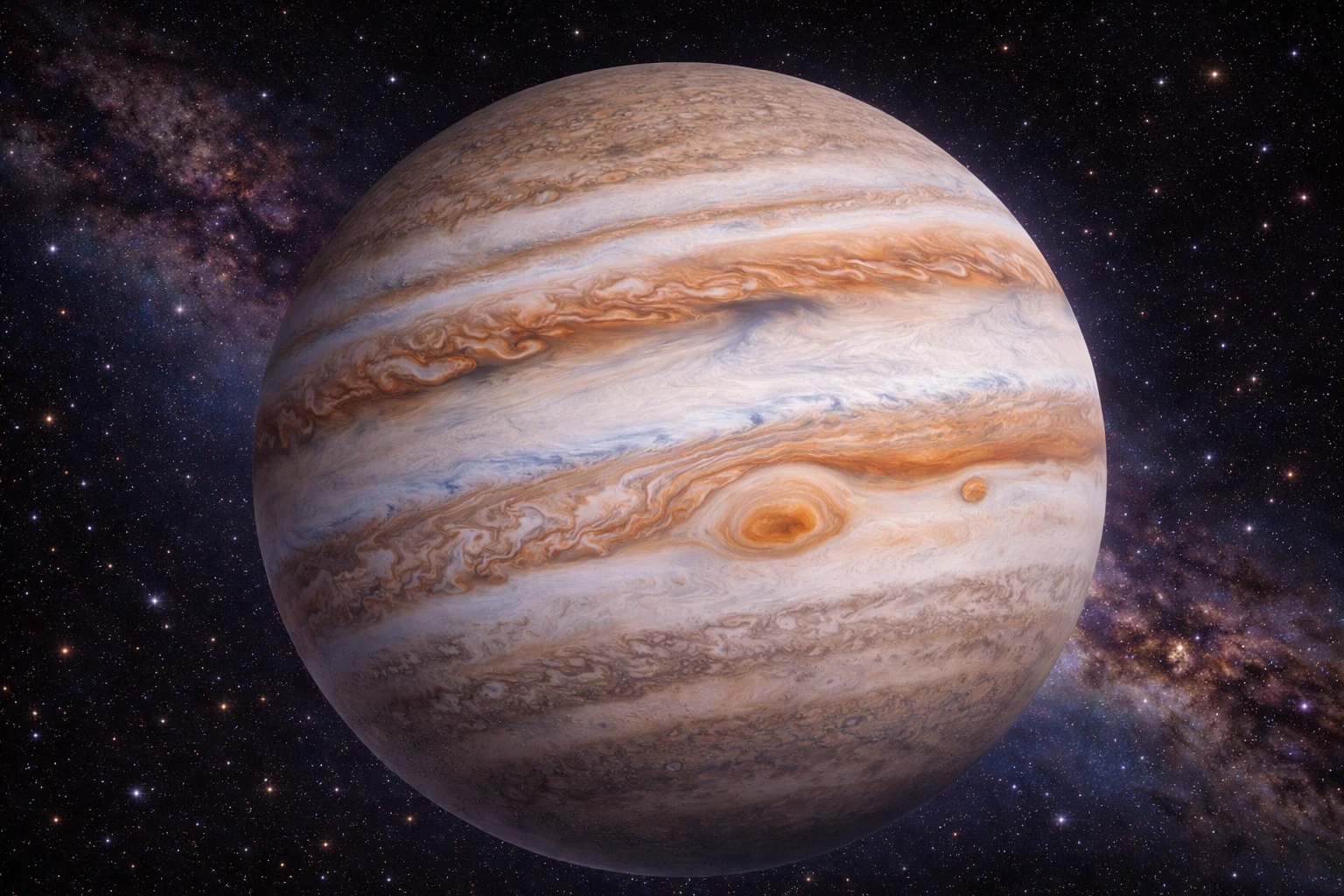
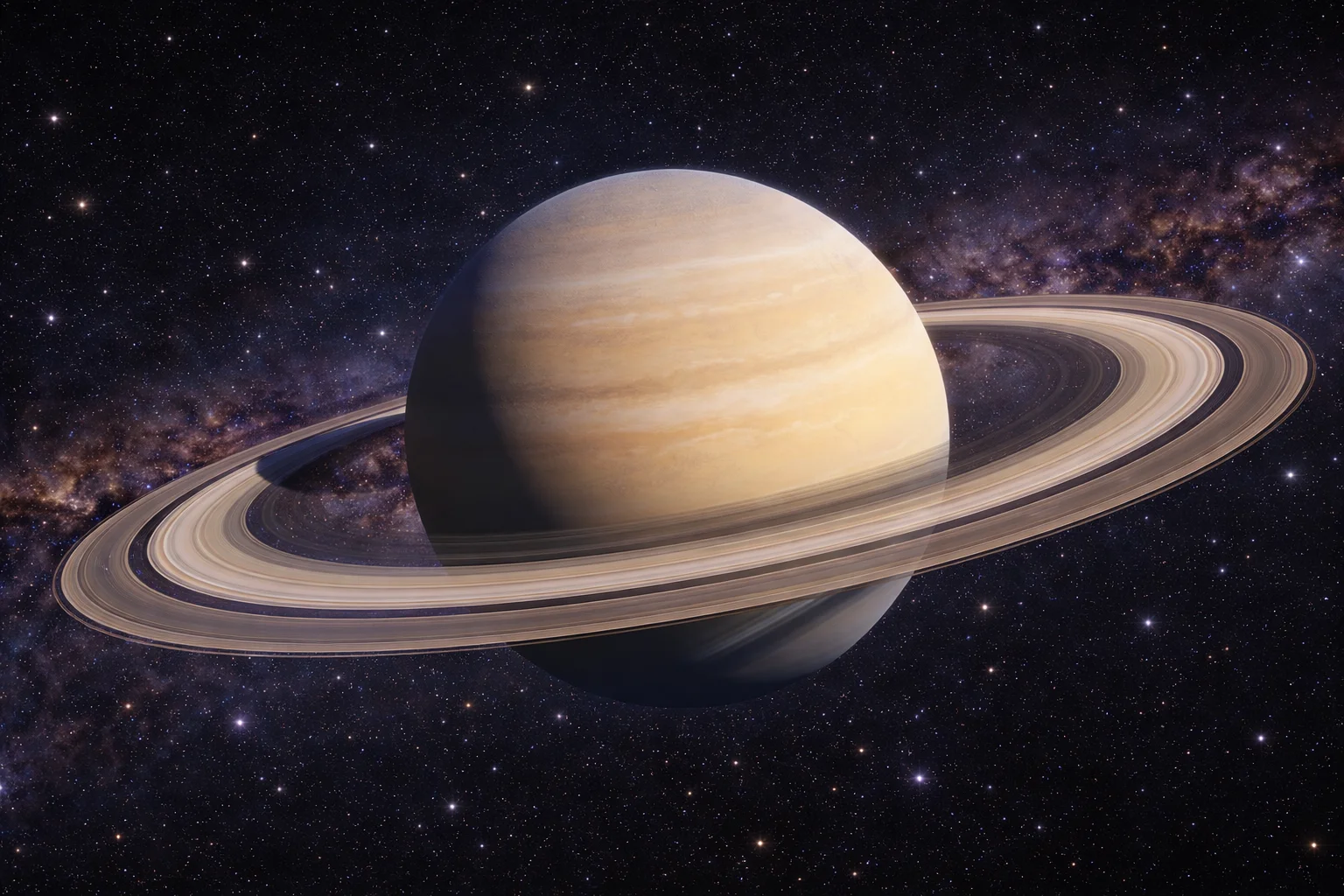
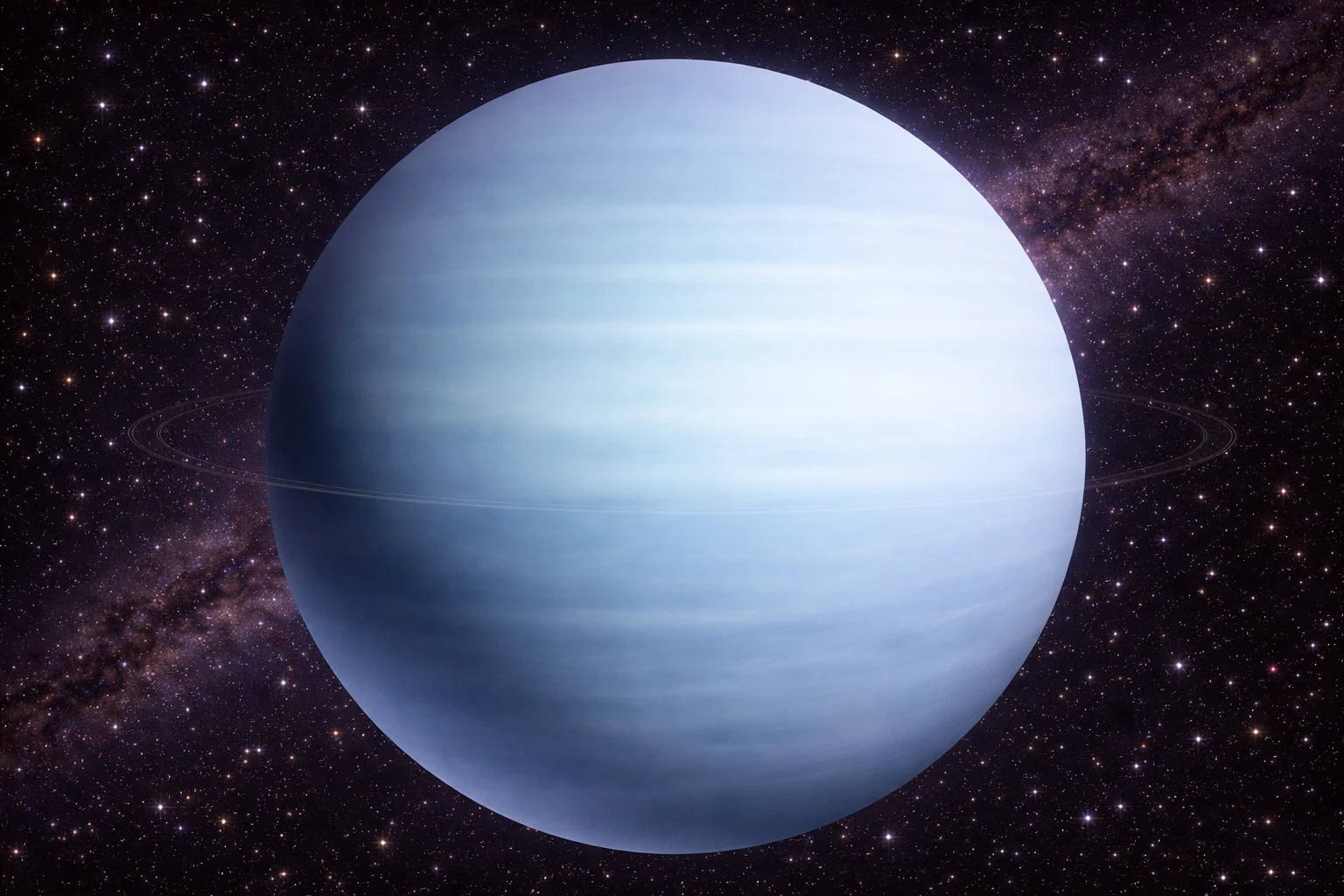
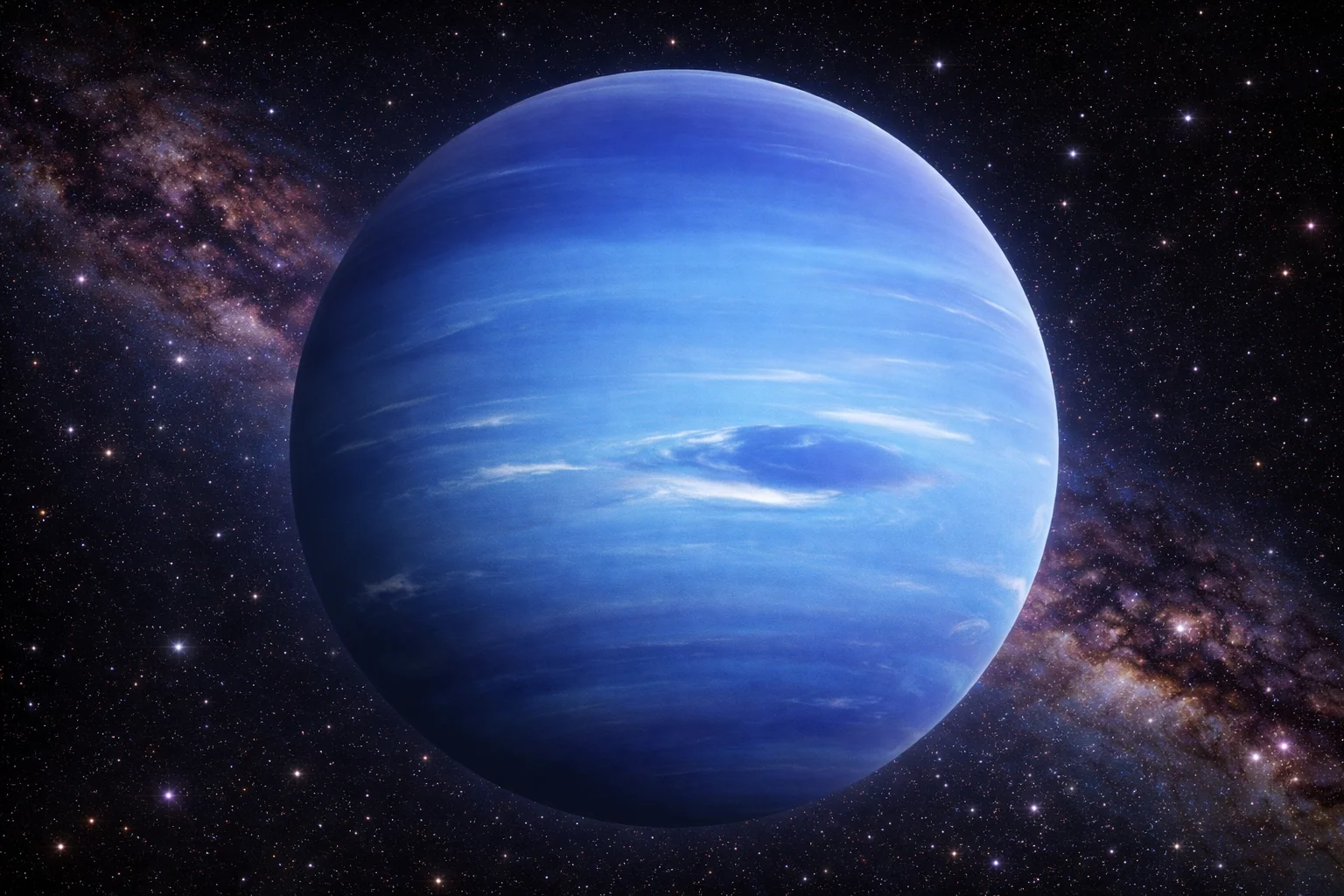
Jupiter expands whatever it touches, bringing optimism, growth, and excess. Saturn contracts, imposing structure, discipline, limits, and maturity. Uranus disrupts, awakening you to independence and unconventional paths. Neptune dissolves boundaries, opening doors to imagination, spirituality, and illusion. Pluto transforms through destruction and regeneration, governing the depths of the psyche where power and shadow reside.
Beyond the traditional ten, modern astrology includes Chiron — the wounded healer archetype — and the North Node, a calculated point showing your soul's evolutionary direction. Each of these twelve bodies adds essential dimension to the chart's portrait.
Why Categories Matter
Astrologers group planets by speed and scope. Luminaries (Sun and Moon) form the core of identity and feeling. Personal planets (Mercury, Venus, Mars) move quickly, changing signs every few weeks to months. They shape your daily experience and individual personality — the traits that make you distinctly you, rather than just a member of your generation.
Social planets (Jupiter and Saturn) spend roughly one to three years in each sign. They define the opportunities and challenges shared by people born within that window — the social and professional landscape of your cohort. Transpersonal planets (Uranus, Neptune, Pluto) move so slowly they remain in a sign for years or decades. Entire generations share the same sign placement; the house position and aspects are what make them personal. Minor bodies like Chiron add nuance, but the core ten planets carry the narrative weight.
Understanding this hierarchy helps you prioritize. When someone asks "What's my Mars sign?" they're asking about a fast, personal planet — uniquely theirs. When they ask "What's my Pluto sign?" they're asking about a generational marker that reveals less about them specifically unless combined with house and aspect analysis.
How Planets Work in Practice
A planet's sign shows HOW it expresses. Mars in Aries is direct, fast, competitive. Mars in Cancer is protective, indirect, moves through emotion. Same essential drive, different style.
A planet's house shows WHERE it expresses. Venus in the 7th house focuses love energy on partnerships. Venus in the 10th house seeks connection and beauty through career and public reputation. Same essential longing, different life arena.
A planet's aspects show WHO it talks to. Venus conjunct Mars blends love and desire into a unified drive. Venus square Saturn creates tension between affection and duty. Aspects reveal internal dialogue — whether energies cooperate, compete, or spark creativity through friction.
When you interpret a planet, you weave together all three: What does this planet want? How does its sign color that wanting? Where in life does it focus? Who does it talk to, and what do those conversations produce? Mastering this three-part logic is the heart of chart reading.
Dignity and Condition
Not all planets are equally comfortable in all signs. Traditional astrology developed a system of dignities to describe planetary strength. A planet in domicile — the sign it rules — operates at full power. The Sun in Leo, Moon in Cancer, Mars in Aries: these planets are home, expressing their nature without distortion.
A planet in exaltation sits in an honored position, elevated though not quite home. The Sun in Aries, Moon in Taurus, Venus in Pisces: these planets are treated as guests of honor, able to do excellent work.
Detriment places a planet opposite its home sign, forced to work through an unfamiliar filter. Fall places it opposite its exaltation, struggling to find footing. These aren't doom sentences — they indicate challenges, not failures. Some of history's most accomplished people have debilitated planets that, through conscious effort, became their greatest strengths.
Retrograde and Motion
Planets move at different speeds, and sometimes — from Earth's perspective — they appear to move backward. This is retrograde, an optical illusion created by orbital mechanics. Astrologically, retrograde planets internalize their function. Mercury retrograde is infamous for communication mishaps, but someone born with Mercury retrograde may simply process information more reflectively, preferring to revise and reconsider rather than speak off the cuff.
All planets except the Sun and Moon go retrograde. For inner planets (Mercury, Venus, Mars), retrograde is brief and personal. For outer planets, retrograde lasts months and affects entire generational themes. Having natal retrogrades isn't a flaw — it's a signature of how you process those energies differently.
Transits and Timing
Your natal planets are fixed at birth, but the sky keeps moving. When current planet positions form aspects to your natal placements, we call these transits. Transits are astrology's primary timing mechanism, showing when potentials in your chart get triggered.
A Saturn transit over your natal Sun can feel like a test of identity, a demand to mature. A Jupiter transit over your natal Venus might bring romantic or financial luck. The outer planets transit slowly; when Pluto crosses a natal point, the transformation can unfold over two or three years.
Understanding transits transforms astrology from static personality description into a living guide for navigating life's seasons.
Working With Your Planets
Every planet has constructive and destructive expressions. Mars can be courage or violence. Venus can be love or vanity. The chart shows potential, not destiny. Your task is to consciously cultivate the higher octave of each planetary energy while remaining aware of the shadow.
No planet is "bad." Saturn's restrictions build resilience. Pluto's intensity enables regeneration. Even the most challenging natal placement is an invitation to growth, not a curse. The astrologer's role — and your own, as you learn to read your chart — is to translate cosmic symbols into self-awareness and practical wisdom.
This is why studying planets is the first and most essential step in learning astrology. Everything else builds on this foundation. Know your planets, know yourself.
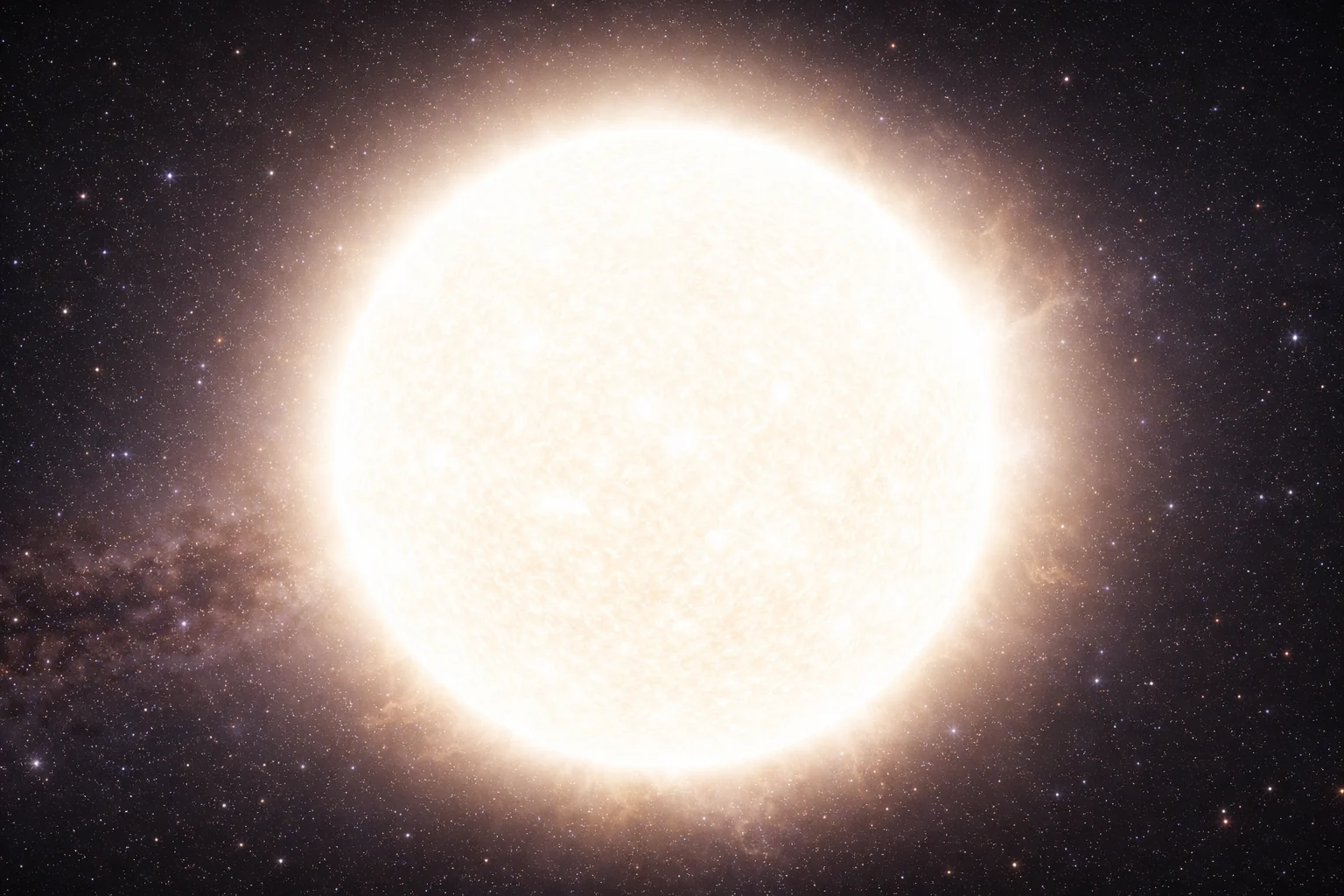
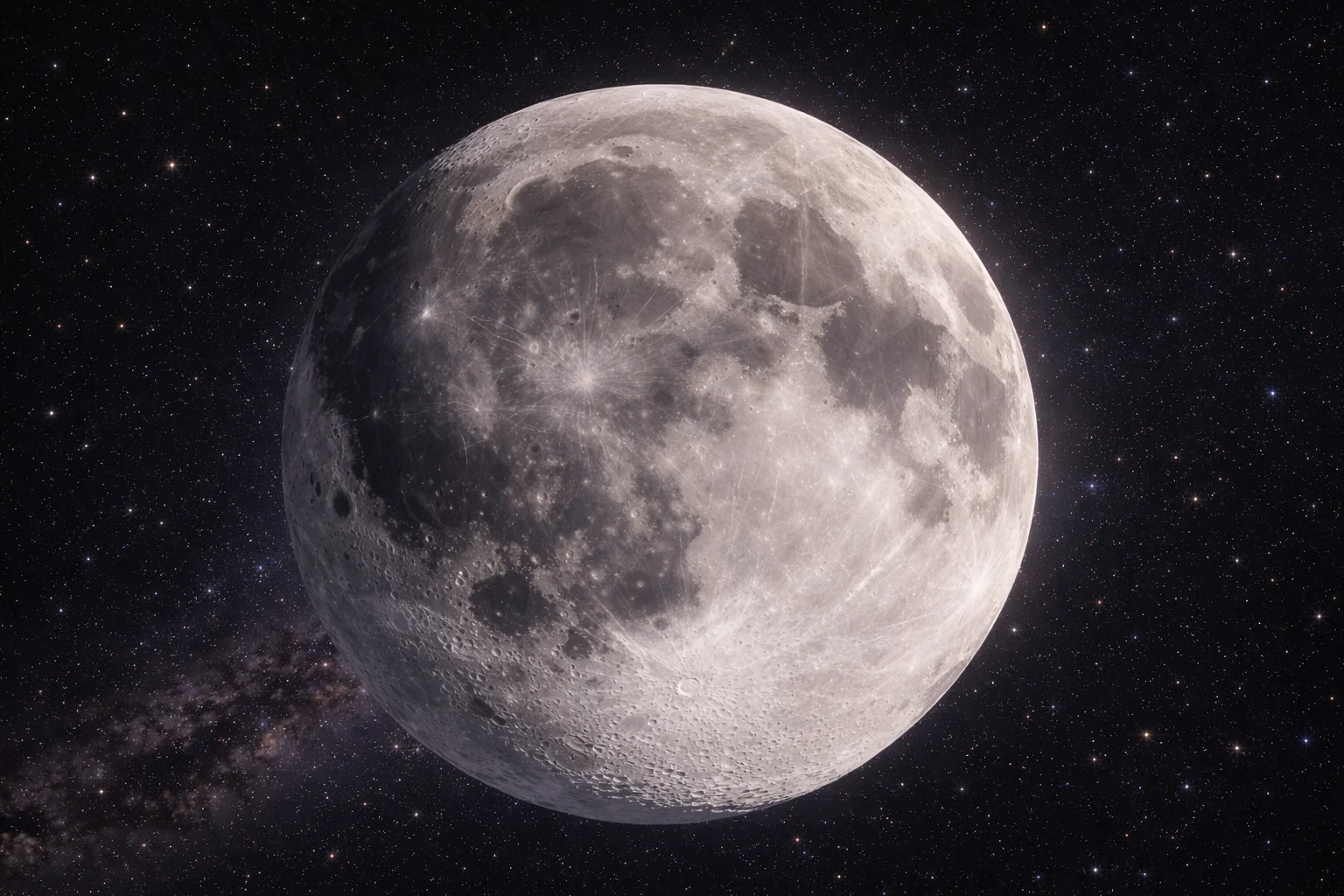
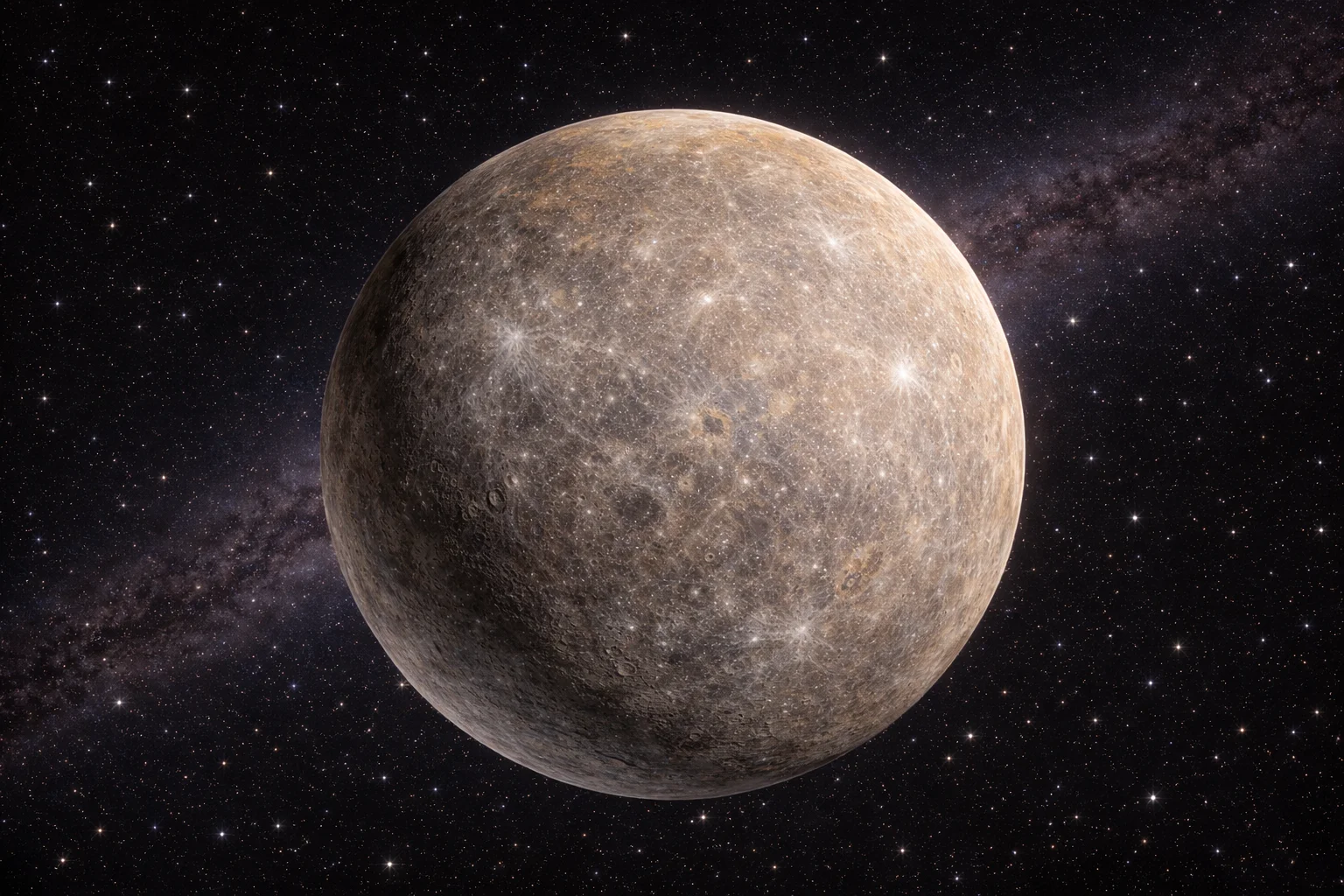

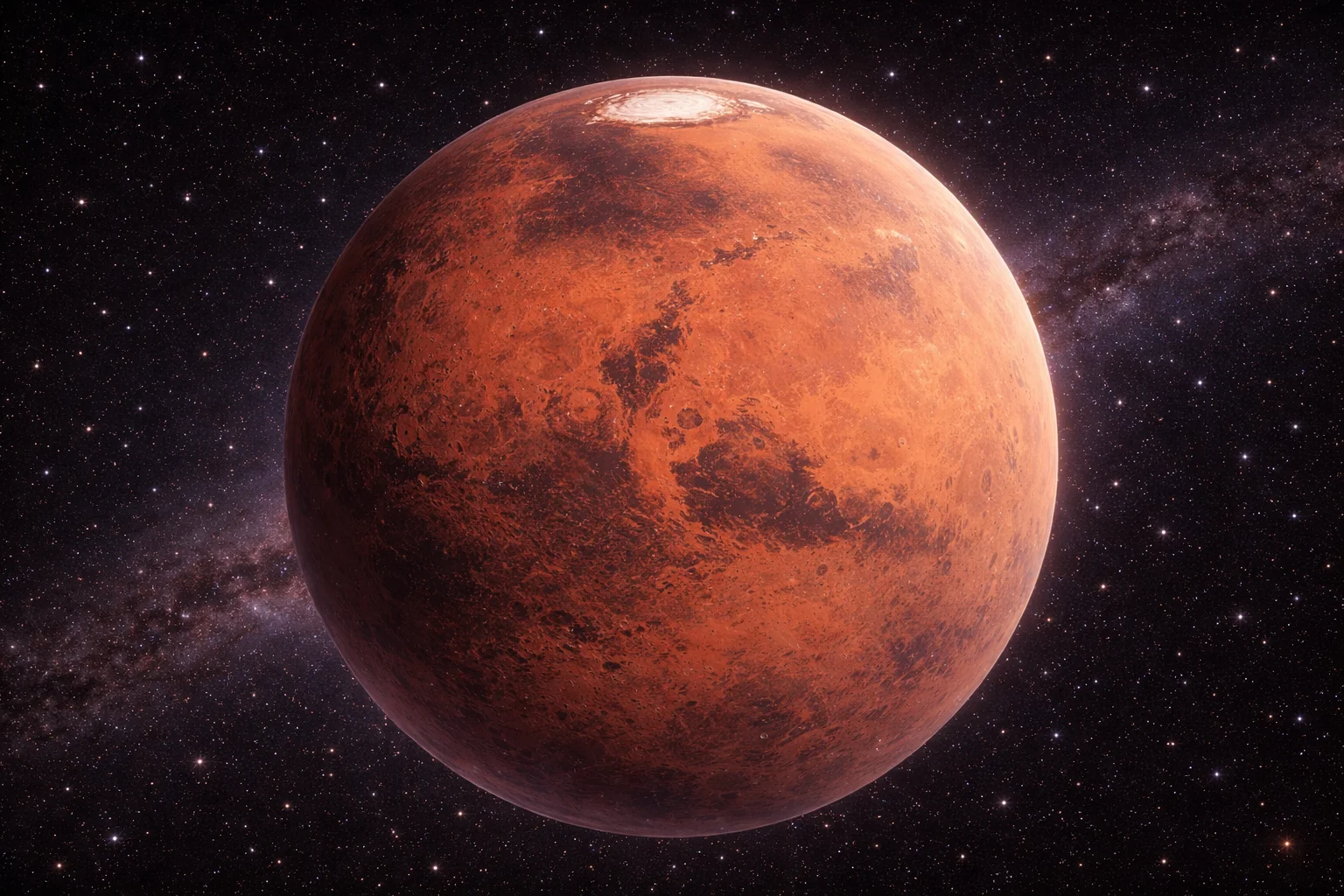
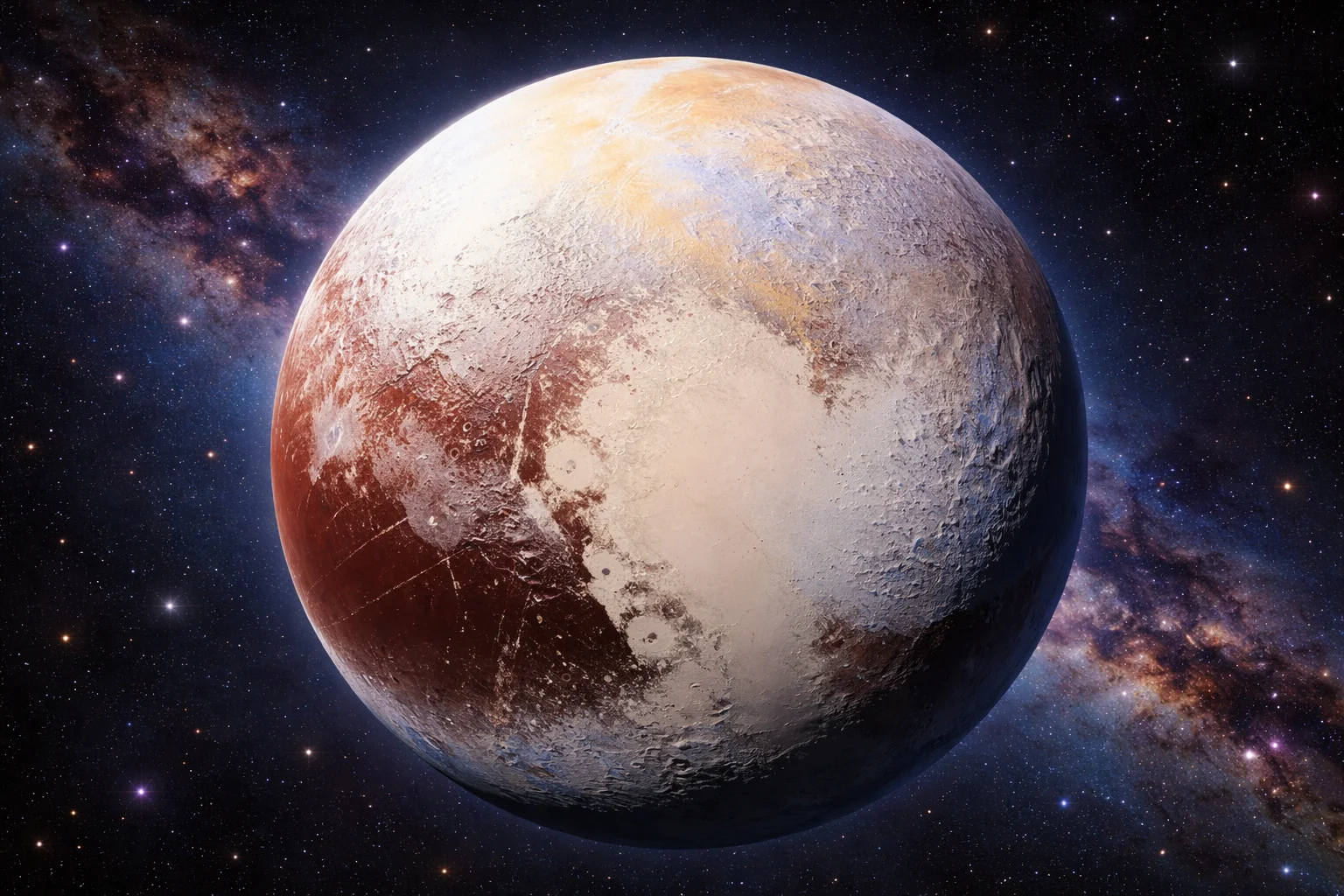
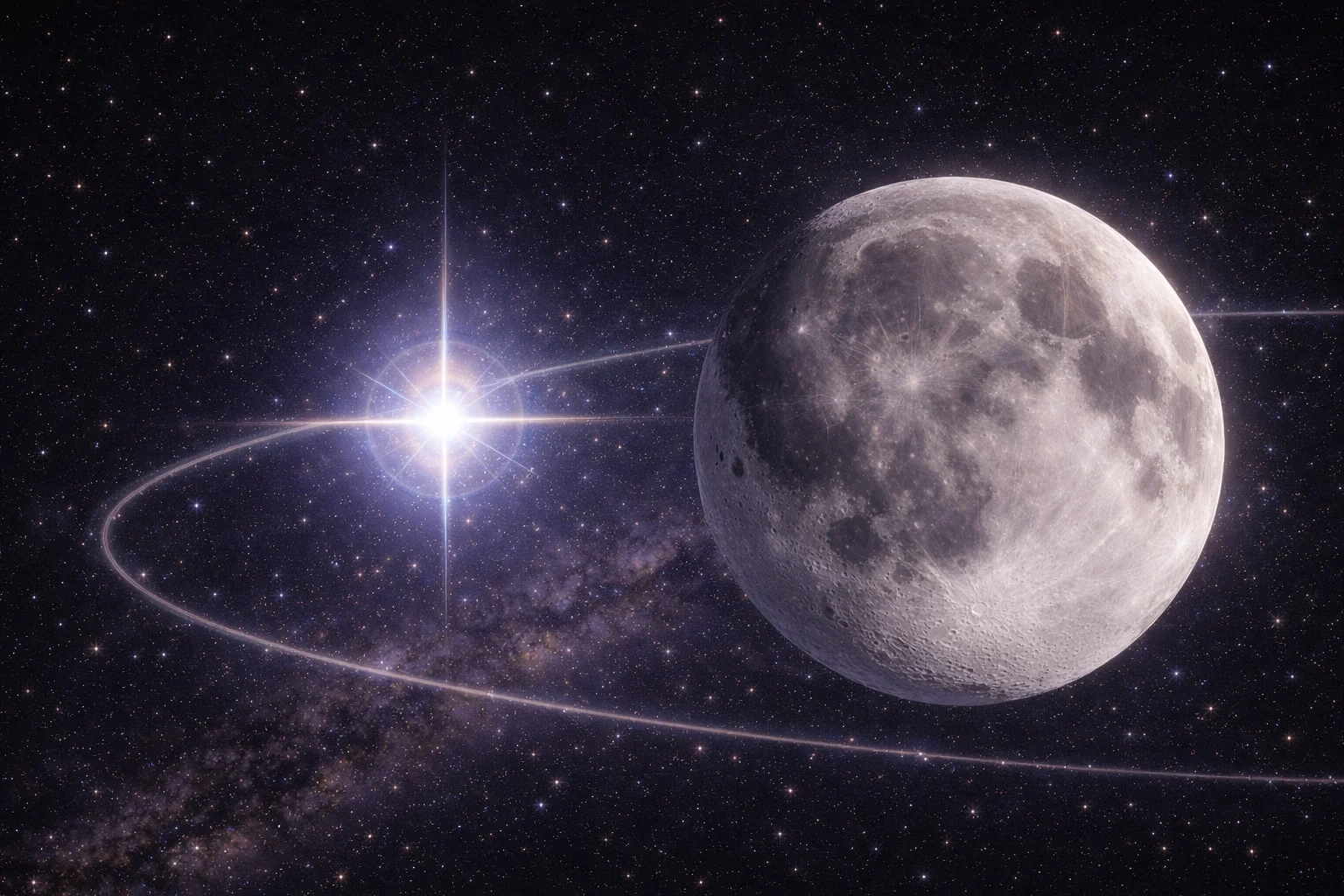
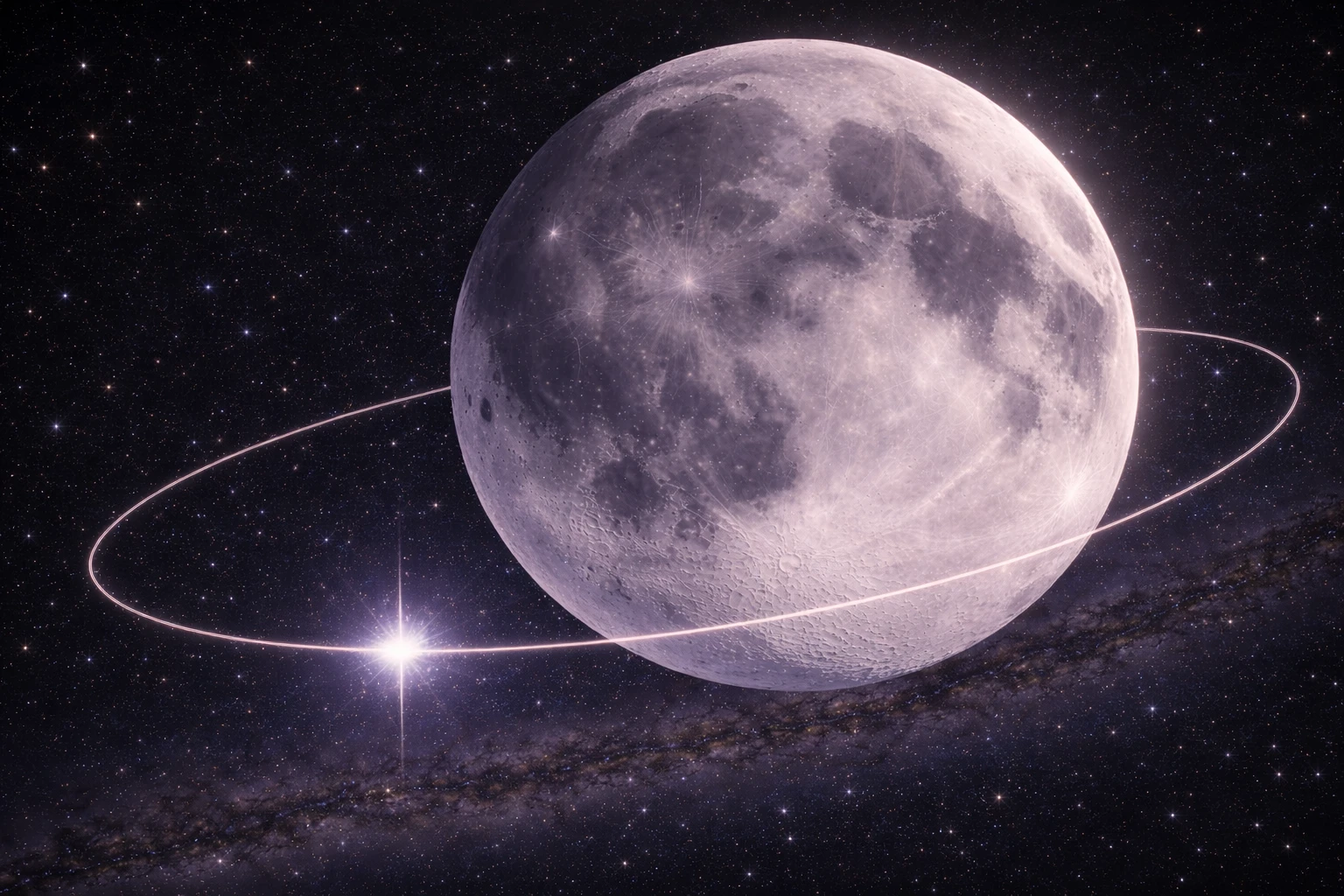
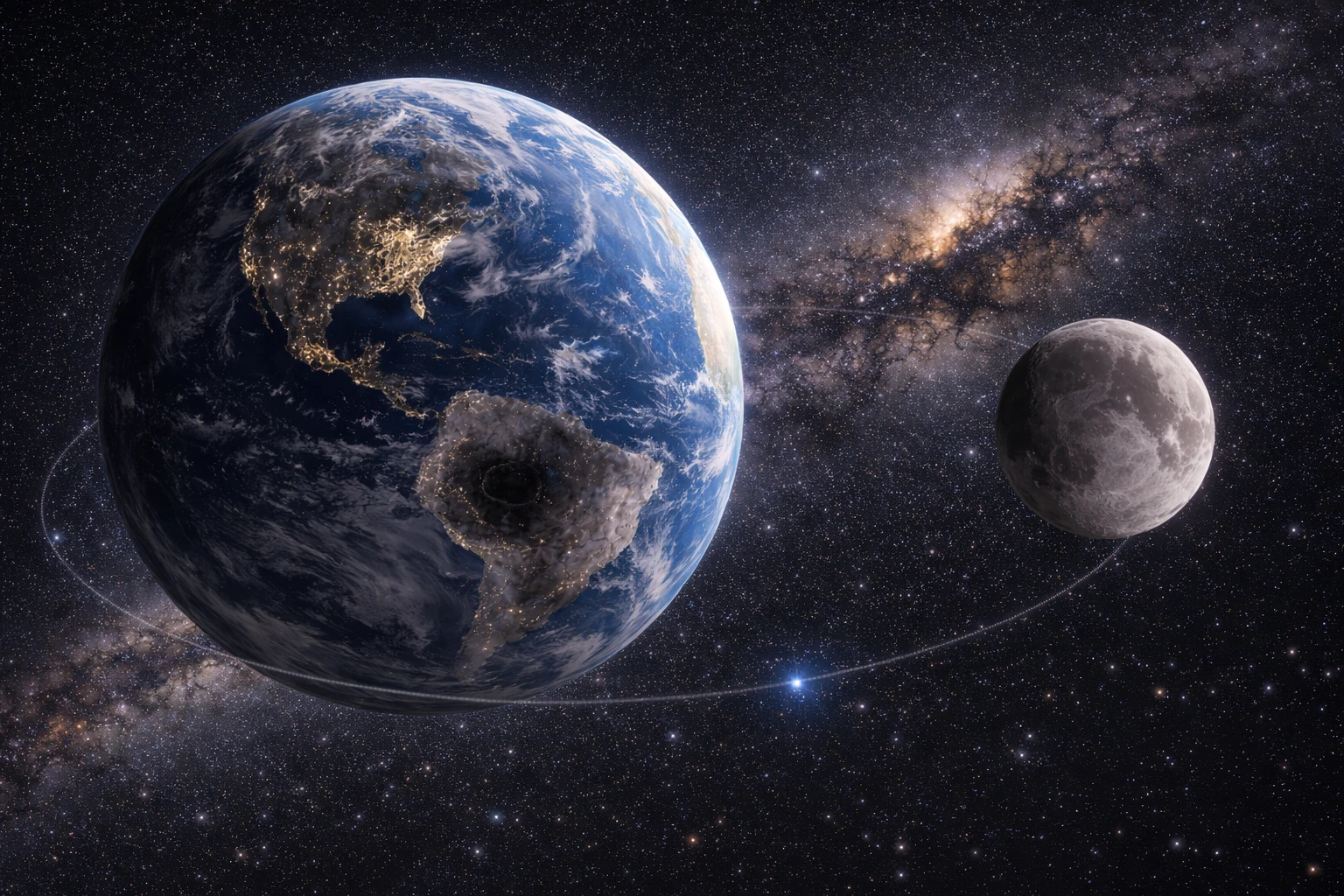
✧Learn more about celestial bodies in astrology✧
Frequently Asked Questions
The next stellium forms in Aries on September 26, 2026, with Moon, Saturn, Neptune gathering together.
The next Grand Trine forms on September 24, 2026 in Air signs between Sun, Pluto, Uranus.
The next T-Square forms on September 20, 2026 between Mercury, Saturn, Moon.
No Grand Cross is expected in the next 6 months. This is a rare pattern.
No major retrograde peak (3+ planets) is expected in the next 6 months.
In astrology, 'planets' refers to celestial bodies that move through the zodiac and influence your birth chart. This includes the Sun, Moon, Mercury, Venus, Mars, Jupiter, Saturn, Uranus, Neptune, Pluto, plus Chiron and the lunar nodes. Each represents a different psychological function — identity, emotions, communication, love, drive, growth, discipline, revolution, dreams, transformation, healing, and purpose.
Modern Western astrology uses 10 main planets: Sun, Moon, Mercury, Venus, Mars, Jupiter, Saturn, Uranus, Neptune, and Pluto. Many astrologers also include Chiron (the wounded healer) and the North Node (karmic direction). Some add asteroids like Ceres, Juno, and Pallas. Traditional astrology used only the 7 visible planets (Sun through Saturn).
Astrology predates modern astronomy. The word 'planet' comes from Greek 'planetes' meaning 'wanderer' — any celestial body that moves against the fixed stars. The Sun and Moon both wander through the zodiac, so they were classified as planets. Today we call them 'luminaries' but still group them with planets for chart interpretation. Astrology and astronomy simply use different definitions.
Inner planets (Sun, Moon, Mercury, Venus, Mars) move quickly through the zodiac — days to months per sign. They shape your personal traits, daily experience, and individual nature. Outer planets (Uranus, Neptune, Pluto) take years to decades per sign, affecting entire generations. Jupiter and Saturn fall in between as 'social planets,' bridging personal and collective themes.
Personal planets are the fast-moving bodies that define your individual nature: Sun (identity), Moon (emotions), Mercury (mind), Venus (love/values), and Mars (drive/action). Because they move quickly, everyone born even days apart has different personal planet positions. These are the planets you feel most directly in daily life.
Uranus, Neptune, and Pluto are generational planets because they move so slowly that entire age groups share the same sign placement. Pluto in Scorpio (1983–1995), Pluto in Sagittarius (1995–2008), Neptune in Capricorn (1984–1998) — these define generational themes. The HOUSE placement and aspects make these planets personal to you.
There's no single most important planet — it depends on your chart. The Sun, Moon, and Rising sign form your 'Big Three' and are essential. Your chart ruler (planet ruling your Rising sign) carries extra weight. Any planet making many aspects or sitting on an angle (1st, 4th, 7th, 10th house cusp) becomes prominent. A full chart analysis reveals which planets dominate YOUR chart.
Your chart ruler is the planet that rules your Rising sign (Ascendant). If you have Aries Rising, Mars rules your chart. Scorpio Rising means Pluto (or traditionally Mars) rules. The chart ruler's sign, house, and aspects color your entire life approach. It's like the CEO of your birth chart — other planets report to it.
A planet's sign describes HOW that planetary energy expresses. Mars in Aries is direct, impulsive, and competitive. Mars in Cancer is protective, indirect, and emotionally driven. Same planet, completely different expression. The sign is like the costume and accent the planetary actor wears — it modifies the core energy without changing what the planet fundamentally represents.
A planet's house shows WHERE in life that energy focuses. Venus in the 7th house channels love energy into partnerships. Venus in the 10th house seeks beauty and connection through career and public life. The house is the stage where the planetary actor performs — it determines which life area receives that planet's attention.
Each zodiac sign has a ruling planet that feels 'at home' there. Mars rules Aries, Venus rules Taurus and Libra, Mercury rules Gemini and Virgo, and so on. When a planet is in the sign it rules, it operates at full strength — this is called 'domicile.' Rulership creates a special link between planets and signs throughout your chart.
These are planetary dignities — how comfortable a planet is in a sign. Domicile: planet in its home sign (strongest). Exaltation: planet in its 'honored guest' sign (elevated). Detriment: planet opposite its home sign (challenged). Fall: planet opposite its exaltation (struggling). Example: Moon is in domicile in Cancer, exalted in Taurus, in detriment in Capricorn, in fall in Scorpio.
Aspects are geometric angles between planets that create connections in your chart. Major aspects: conjunction (0°, fusion), sextile (60°, opportunity), square (90°, tension), trine (120°, flow), opposition (180°, polarity). Aspects show how your planets 'talk' to each other. A Venus-Mars trine means love and drive cooperate easily; a Venus-Mars square means they create friction you must work through.
Retrograde is when a planet appears to move backward through the zodiac from Earth's perspective — an optical illusion caused by orbital speeds. Astrologically, retrograde planets turn their energy inward. Mercury retrograde famously disrupts communication. But natal retrograde planets aren't bad — they simply express that planetary energy more internally or unconventionally.
Mercury retrogrades 3–4 times yearly for about 3 weeks each. Venus and Mars retrograde less often (every 18–24 months). Jupiter and Saturn retrograde annually for 4–5 months. Uranus, Neptune, and Pluto are retrograde almost half the year. The only celestial bodies that never retrograde are the Sun and Moon.
Transits are the current positions of planets as they move through the sky and interact with your birth chart. When transiting Saturn crosses your natal Sun, you feel Saturn's lessons applied to your identity — often a maturing, challenging period. Transits are the primary timing technique in astrology, showing when natal potentials get activated.
It depends entirely on the planet. The Moon transits a point for hours. The Sun, Mercury, Venus, and Mars for days to weeks. Jupiter for about a month. Saturn for several months. Uranus, Neptune, and Pluto can transit a natal planet for 1–3 YEARS due to retrograde passes. Outer planet transits are the most transformative life events.
Empty signs and houses are completely normal — no one has planets everywhere. An empty house doesn't mean that life area is inactive; look to the sign on the house cusp and its ruling planet. The ruling planet's placement 'manages' that empty house. Empty signs simply mean that sign's energy isn't where your planetary action concentrates.
A stellium is 3 or more planets clustered in the same sign or house, creating intense focus in that area. Someone with Sun, Mercury, and Venus all in Virgo has a Virgo stellium — Virgoan themes dominate their chart. Stelliums concentrate energy; people with them often excel in that sign/house domain but may neglect opposite life areas.
Tropical astrology (Western) anchors 0° Aries to the spring equinox — signs are based on seasons, not stars. Sidereal astrology (Vedic/Jyotish) anchors signs to actual star constellations, which have shifted ~24° due to precession. Your sidereal planet positions are typically one sign earlier than tropical. Both systems work within their own frameworks.
No. Traditional astrology used only the 7 visible planets: Sun, Moon, Mercury, Venus, Mars, Jupiter, and Saturn. Uranus (discovered 1781), Neptune (1846), and Pluto (1930) were added later. Traditional astrologers assigned extra sign rulerships differently — Mars ruled Scorpio, Saturn ruled Aquarius, Jupiter ruled Pisces. Some modern astrologers still honor these traditional rulerships.
A final dispositor is a planet that ultimately 'rules' all other planets through a chain of sign rulerships. If your Moon is in Taurus, Venus disposes it (Venus rules Taurus). If Venus is in Capricorn, Saturn disposes Venus. If Saturn is in Capricorn (its own sign), Saturn is the final dispositor — the buck stops there. Not all charts have one, but when present, it's powerful.
It's a matter of tradition and preference. Classical astrology uses 7 planets; modern Western adds Uranus/Neptune/Pluto; asteroid astrologers add Chiron, Ceres, Juno, Vesta, Pallas. Adding more points increases nuance but also complexity. Most astrologers agree the core 10 planets carry the most weight; asteroids add detail but aren't essential for a solid reading.
You need your birth date, exact birth time, and birth location to calculate your chart. Online calculators (including ours) use this data to determine where each planet was at your birth moment. Birth time matters most for the Moon (which moves 13° daily), the Rising sign, and house placements. Without exact time, you can still know your planet signs.
Natal planets are frozen at your birth moment — they're your permanent cosmic DNA. Transiting planets are where planets are NOW, constantly moving through the sky. Astrology studies how current transits interact with your natal chart. Your natal Mars is always in the same sign; transiting Mars moves through all 12 signs every 2 years.
Not exactly. Planets in hard aspects (squares, oppositions) create tension, but that tension isn't cancellation — it's a struggle between competing needs that you must integrate. A Venus-Saturn square doesn't cancel love; it means love requires maturity and patience. Even the most difficult aspects represent energy that CAN be worked with constructively.
Upcoming Cosmic Patterns
| Sep 20, 2026in 2 days | ⊤ | T-Square Forms — Mercury, Saturn, Moon |
| Sep 21, 2026in 3 days | ⊤ | T-Square Dissolves — Mercury, Saturn, Moon |
| Sep 22, 2026in 4 days | 🜁 | Balanced → Air |
| Sep 24, 2026in 6 days | △ | Air Grand Trine Forms — Sun, Pluto, Uranus |
| Sep 26, 2026in 8 days | 🔺 | Stellium Forms — Aries |
| Sep 28, 2026in 10 days | ⊤ | T-Square Forms — Mars, Mercury, Moon |
| Sep 28, 2026in 10 days | ⊤ | T-Square Forms — Mars, Pluto, Moon |
| Sep 28, 2026in 10 days | 🜁 | Balanced → Fire |
| Sep 29, 2026in 11 days | 🔺 | Stellium Disperses — Aries |
| Sep 29, 2026in 11 days | ⊤ | T-Square Forms — Mars, Pluto, Mercury |
| Sep 29, 2026in 11 days | ⊤ | T-Square Dissolves — Mars, Mercury, Moon |
| Sep 29, 2026in 11 days | ⊤ | T-Square Dissolves — Mars, Pluto, Moon |
| Oct 1, 2026in 13 days | △ | Grand Trine Dissolves — Sun, Pluto, Uranus |
| Oct 3, 2026in 15 days | ⊤ | T-Square Forms — Sun, Saturn, Moon |
| Oct 3, 2026in 15 days | 🜁 | Balanced → Fire |
| Oct 4, 2026in 16 days | ⊤ | T-Square Dissolves — Sun, Saturn, Moon |
| Oct 5, 2026in 17 days | 🔺 | Stellium Forms — Leo |
| Oct 5, 2026in 17 days | ⊤ | T-Square Forms — Moon, Pluto, Mercury |
| Oct 6, 2026in 18 days | ⊤ | T-Square Dissolves — Moon, Pluto, Mercury |
| Oct 7, 2026in 19 days | 🔺 | Stellium Disperses — Leo |
| Oct 7, 2026in 19 days | ⊤ | T-Square Dissolves — Mars, Pluto, Mercury |
| Oct 9, 2026in 21 days | △ | Air Grand Trine Forms — Moon, Pluto, Uranus |
| Oct 10, 2026in 22 days | △ | Grand Trine Dissolves — Moon, Pluto, Uranus |
| Oct 10, 2026in 22 days | ⊤ | T-Square Forms — Mars, Pluto, Venus |
| Oct 11, 2026in 23 days | ⊤ | T-Square Dissolves — Mars, Pluto, Venus |
| Oct 12, 2026in 24 days | 🔺 | Stellium Forms — Scorpio |
| Oct 12, 2026in 24 days | 🜁 | Balanced → Fire |
| Oct 14, 2026in 26 days | 🔺 | Stellium Disperses — Scorpio |
| Oct 14, 2026in 26 days | △ | Fire Grand Trine Forms — Mars, Saturn, Moon |
| Oct 15, 2026in 27 days | △ | Grand Trine Dissolves — Mars, Saturn, Moon |
| Oct 22, 2026in 34 days | 🜁 | Balanced → Fire |
| Oct 23, 2026in 35 days | 🔺 | Stellium Forms — Scorpio |
| Oct 24, 2026in 36 days | 🔺 | Stellium Forms — Aries |
| Oct 24, 2026in 36 days | 🜁 | Balanced → Fire |
| Oct 25, 2026in 37 days | 🔺 | Stellium Disperses — Scorpio |
| Oct 26, 2026in 38 days | 🔺 | Stellium Disperses — Aries |
| Oct 26, 2026in 38 days | ⊤ | T-Square Forms — Sun, Moon, Pluto |
| Oct 27, 2026in 39 days | ⊤ | T-Square Forms — Moon, Mercury, Jupiter |
| Oct 27, 2026in 39 days | ⊤ | T-Square Dissolves — Sun, Moon, Pluto |
| Oct 28, 2026in 40 days | ⊤ | T-Square Dissolves — Moon, Mercury, Jupiter |
| Oct 30, 2026in 42 days | 🜁 | Balanced → Fire |
| Nov 1, 2026in 44 days | 🔺 | Stellium Forms — Leo |
| Nov 3, 2026in 46 days | 🔺 | Stellium Disperses — Leo |
| Nov 8, 2026in 51 days | 🔺 | Stellium Forms — Scorpio |
| Nov 8, 2026in 51 days | 🜁 | Balanced → Fire |
| Nov 10, 2026in 53 days | 🔺 | Stellium Disperses — Scorpio |
| Nov 17, 2026in 60 days | ⊤ | T-Square Forms — Jupiter, Moon, Sun |
| Nov 17, 2026in 60 days | ⊤ | T-Square Forms — Moon, Mars, Sun |
| Nov 18, 2026in 61 days | ⊤ | T-Square Dissolves — Jupiter, Moon, Sun |
| Nov 18, 2026in 61 days | ⊤ | T-Square Dissolves — Moon, Mars, Sun |
⊤
Sep 20, 2026
T-Square Forms — Mercury, Saturn, Moon
in 2 days⊤
Sep 21, 2026
T-Square Dissolves — Mercury, Saturn, Moon
in 3 days🜁
Sep 22, 2026
Balanced → Air
in 4 days△
Sep 24, 2026
Air Grand Trine Forms — Sun, Pluto, Uranus
in 6 days🔺
Sep 26, 2026
Stellium Forms — Aries
in 8 days⊤
Sep 28, 2026
T-Square Forms — Mars, Mercury, Moon
in 10 days⊤
Sep 28, 2026
T-Square Forms — Mars, Pluto, Moon
in 10 days🜁
Sep 28, 2026
Balanced → Fire
in 10 days🔺
Sep 29, 2026
Stellium Disperses — Aries
in 11 days⊤
Sep 29, 2026
T-Square Forms — Mars, Pluto, Mercury
in 11 days⊤
Sep 29, 2026
T-Square Dissolves — Mars, Mercury, Moon
in 11 days⊤
Sep 29, 2026
T-Square Dissolves — Mars, Pluto, Moon
in 11 days△
Oct 1, 2026
Grand Trine Dissolves — Sun, Pluto, Uranus
in 13 days⊤
Oct 3, 2026
T-Square Forms — Sun, Saturn, Moon
in 15 days🜁
Oct 3, 2026
Balanced → Fire
in 15 days⊤
Oct 4, 2026
T-Square Dissolves — Sun, Saturn, Moon
in 16 days🔺
Oct 5, 2026
Stellium Forms — Leo
in 17 days⊤
Oct 5, 2026
T-Square Forms — Moon, Pluto, Mercury
in 17 days⊤
Oct 6, 2026
T-Square Dissolves — Moon, Pluto, Mercury
in 18 days🔺
Oct 7, 2026
Stellium Disperses — Leo
in 19 days⊤
Oct 7, 2026
T-Square Dissolves — Mars, Pluto, Mercury
in 19 days△
Oct 9, 2026
Air Grand Trine Forms — Moon, Pluto, Uranus
in 21 days△
Oct 10, 2026
Grand Trine Dissolves — Moon, Pluto, Uranus
in 22 days⊤
Oct 10, 2026
T-Square Forms — Mars, Pluto, Venus
in 22 days⊤
Oct 11, 2026
T-Square Dissolves — Mars, Pluto, Venus
in 23 days🔺
Oct 12, 2026
Stellium Forms — Scorpio
in 24 days🜁
Oct 12, 2026
Balanced → Fire
in 24 days🔺
Oct 14, 2026
Stellium Disperses — Scorpio
in 26 days△
Oct 14, 2026
Fire Grand Trine Forms — Mars, Saturn, Moon
in 26 days△
Oct 15, 2026
Grand Trine Dissolves — Mars, Saturn, Moon
in 27 days🜁
Oct 22, 2026
Balanced → Fire
in 34 days🔺
Oct 23, 2026
Stellium Forms — Scorpio
in 35 days🔺
Oct 24, 2026
Stellium Forms — Aries
in 36 days🜁
Oct 24, 2026
Balanced → Fire
in 36 days🔺
Oct 25, 2026
Stellium Disperses — Scorpio
in 37 days🔺
Oct 26, 2026
Stellium Disperses — Aries
in 38 days⊤
Oct 26, 2026
T-Square Forms — Sun, Moon, Pluto
in 38 days⊤
Oct 27, 2026
T-Square Forms — Moon, Mercury, Jupiter
in 39 days⊤
Oct 27, 2026
T-Square Dissolves — Sun, Moon, Pluto
in 39 days⊤
Oct 28, 2026
T-Square Dissolves — Moon, Mercury, Jupiter
in 40 days🜁
Oct 30, 2026
Balanced → Fire
in 42 days🔺
Nov 1, 2026
Stellium Forms — Leo
in 44 days🔺
Nov 3, 2026
Stellium Disperses — Leo
in 46 days🔺
Nov 8, 2026
Stellium Forms — Scorpio
in 51 days🜁
Nov 8, 2026
Balanced → Fire
in 51 days🔺
Nov 10, 2026
Stellium Disperses — Scorpio
in 53 days⊤
Nov 17, 2026
T-Square Forms — Jupiter, Moon, Sun
in 60 days⊤
Nov 17, 2026
T-Square Forms — Moon, Mars, Sun
in 60 days⊤
Nov 18, 2026
T-Square Dissolves — Jupiter, Moon, Sun
in 61 days⊤
Nov 18, 2026
T-Square Dissolves — Moon, Mars, Sun
in 61 daysNow that you know what they mean, discover where they are for you.
See the Planets in YOUR Chart
Free
Daily Horoscope
Every morning, we check where the planets are and tell you what it means. Not vague stuff — things you might actually notice today.
Get Started
No signup. No tracking. Just pick your sign and read.
Free
Yearly Horoscope
Not vague promises about 'growth opportunities.' Real themes. Real timing. What this year is actually about for you — and when it gets interesting.
Get Started
Free. No signup. Based on where the planets actually are.
€1
AstroCards
Your birth chart, distilled into one shareable image. Dating roasts, personality callouts, compatibility scores. €1 each. Built for group chats.
Get Started
€1 each. No subscription. 1% to climate.
Birth Chart Reading
Your cosmic blueprint revealed. See why you are the way you are — your patterns, strengths, and the themes that keep showing up in your life.
Coming Soon